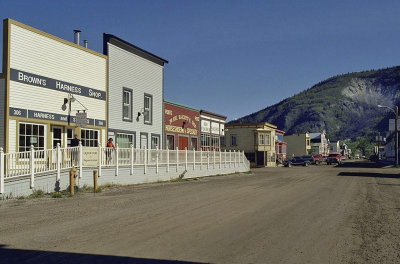
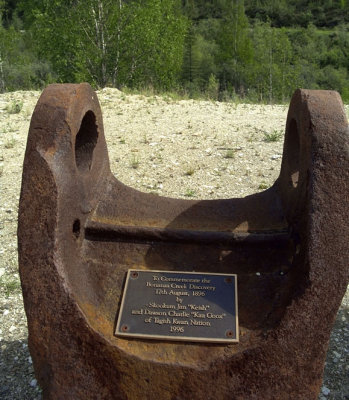
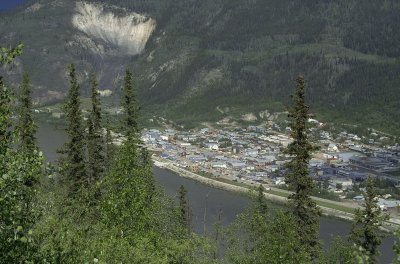
It all started on August 17 1896 when George Carmack, Tagish Charlie and Skookum Jim struck it rich on Bonanza Creek. By 1897 the whole world equated the name Dawson with gold. At least 35.000 Klondike gold rush stampeders descended on the town, making it the largest Canadian city west of Winnipeg.
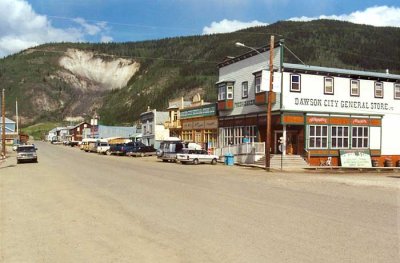
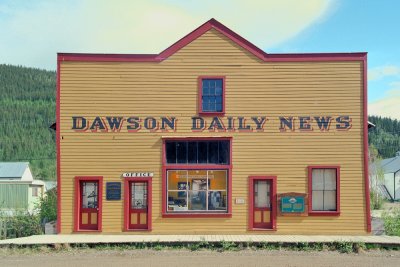
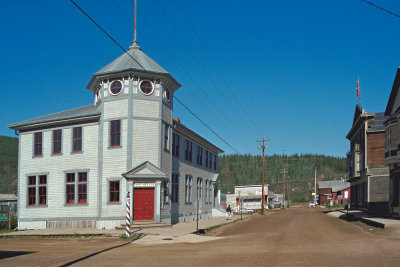
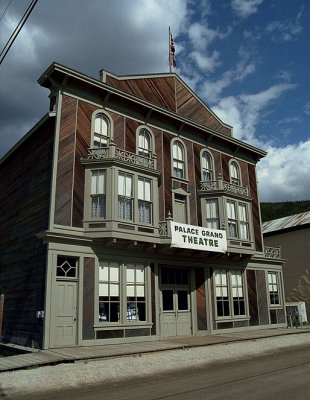
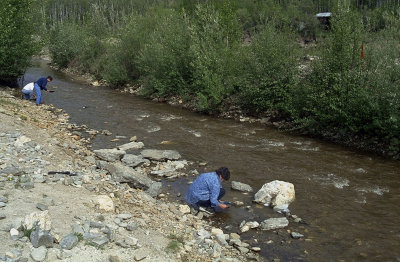
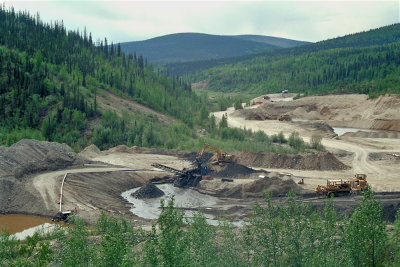
In the record year 1900 the Yukon goldfields produced more than 1.077.500 OZ. in nuggets and dust. Today there is renewed mining of gold and other precious metals in the Dawson area but Dawson City's main industry is now tourism and casino gambling. The profits of Diamond Tooth Gertie's Casino are funding the restauration of historic sites in Dawson. The Palace Grand Theatre, the old post office, the Dawson Daily News building and many other historic facades and cabins look better than ever.
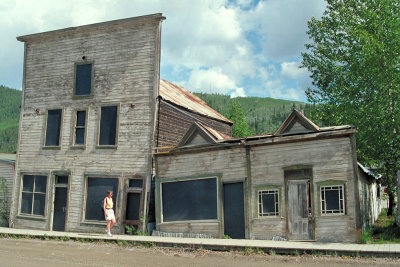
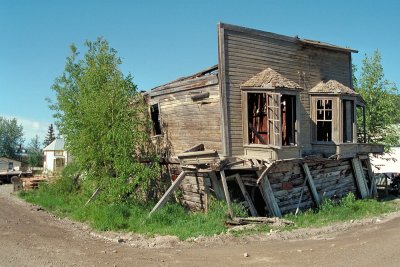
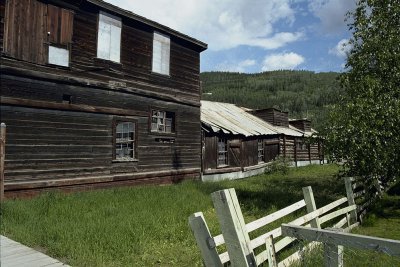
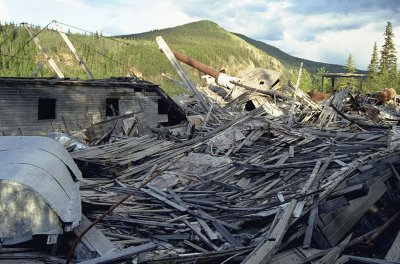
Thankfully, the most picturesque ruins of permafrost, gravity and neglect have been left alone, the streets are still unpaved, and some of the semi-ghost town flavor remains. On the western bank of the Yukon River just north of town there's an amazing "stern wheelers graveyard" where several old paddle wheel boats from the gold rush days have found their final destination.
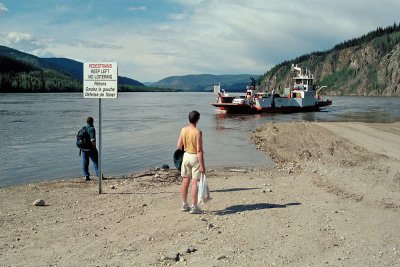
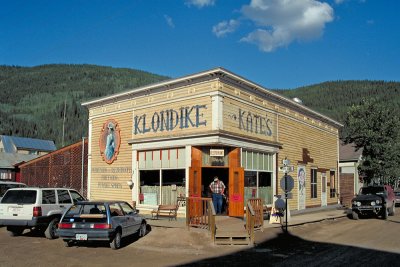
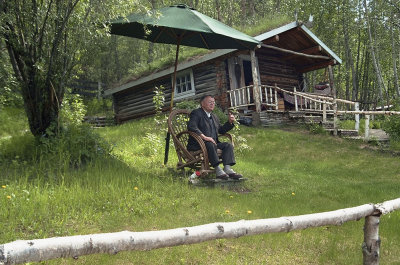
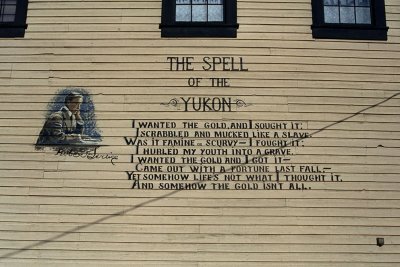
Dawson City has a wonderful museum, a log cabin where Robert W. Service wrote his famous poems "The Shooting of Dan McGrew" and "The Cremation of Sam McGee", a great restaurant called Klondike Kate's, and a free ferry across the Yukon River to the 'Top of The World Highway'.
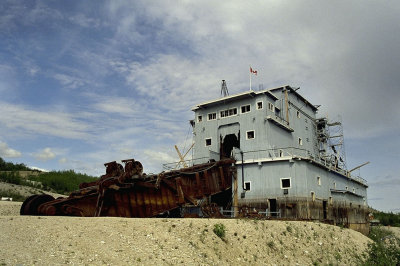
I Would Love to See a picture of the dredge on dominion creek you can see it very well from the road but I would advise you not to leave the road because my grandfather owns that property and we hate it when people go down to the dredge and leave garbage in it
john
23-Mar-2007 21:56
great photos, iam from dawson and i have not been back for afew years.
after seeing your pics, i am going back this summer. you reminded me of how much i love that town. the ship wrecks, the bars, and the awsome people.