


|
|
|
|
|
|
|
| strongmanmike2002 | profile | all galleries >> Awards, discoveries and publications >> Miscellaneous Albums >> High accuracy collimation using CATSEYE collimation tools | tree view | thumbnails | slideshow |
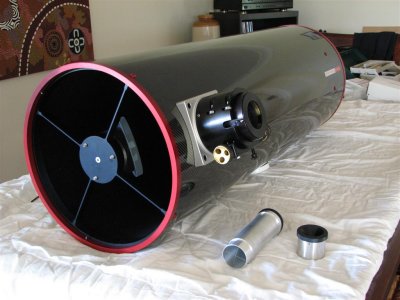 ASA N12 with CATSEYE collimation tools |
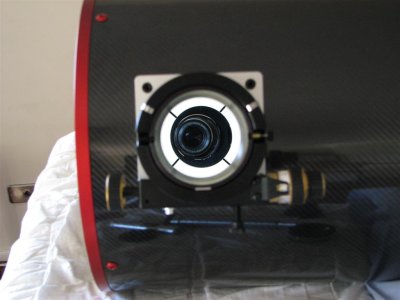 Centering the secondary under focuser |
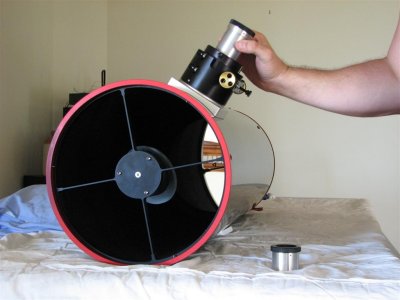 Insert TELECAT Sight Tube/Cheshire |
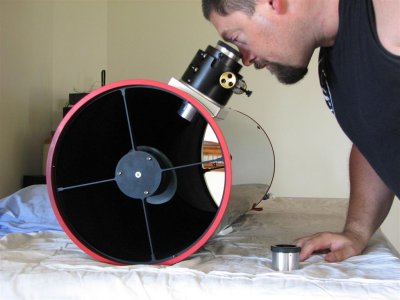 Looking through the TELECAT |
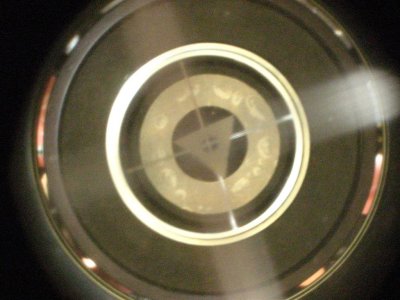 View through TELECAT after main mirror adjustments |
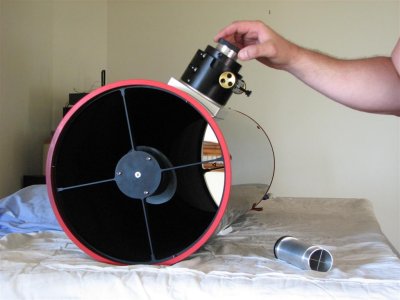 Insert INFINITY autocollimator |
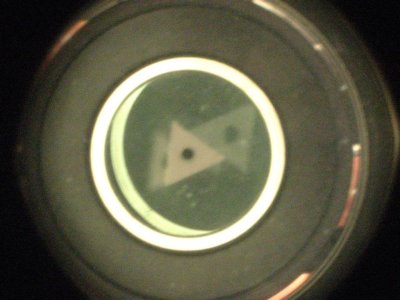 Initial view through INFINITY Autocollimator |
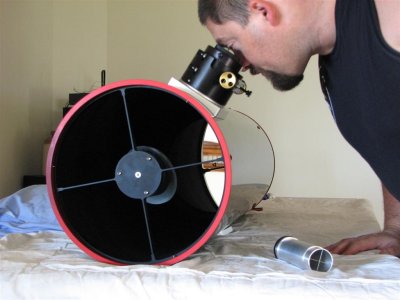 Make secondary adjustments |
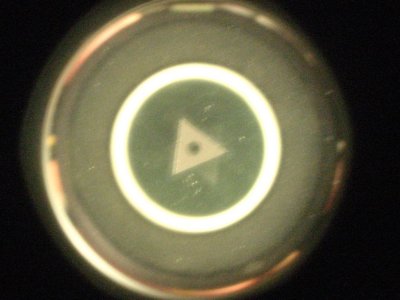 Near perfect collimation |
 Laser collimator |
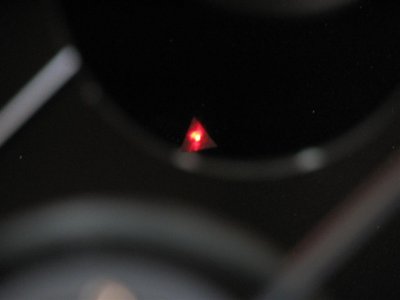 Laser in centre of mirror centre spot |
| comment | share |
| Rob Craftsman | 30-Jul-2012 21:15 | |
| air ambulance | 20-Jun-2012 19:15 | |