


|
|
|
|
|
|
|
| jimhwy | profile | all galleries >> Galleries >> Snowflakes II | tree view | thumbnails | slideshow |
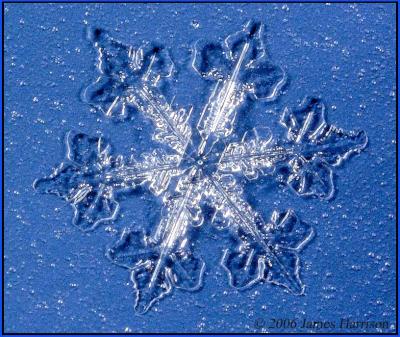 IMG_1632 copy.jpg |
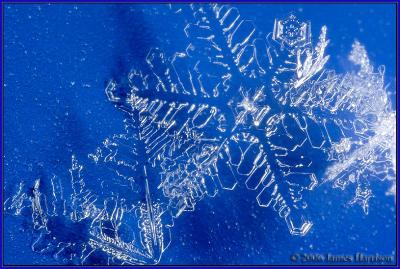 IMG_1451.jpg |
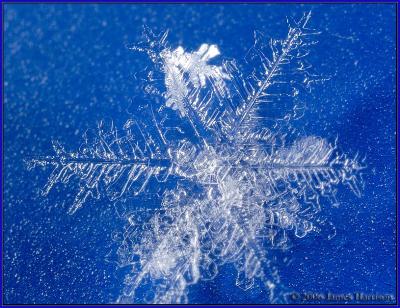 IMG_1454-crop1.jpg |
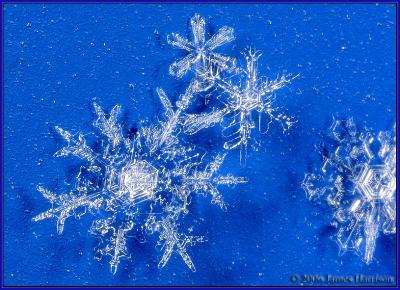 IMG_1457-crop1-cloned.jpg |
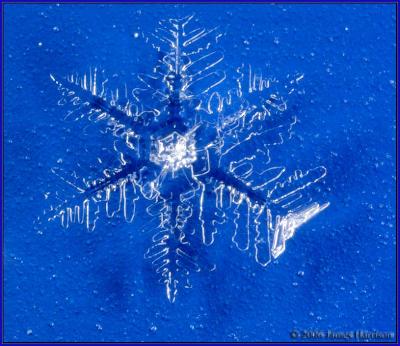 IMG_1460-crop1-cloned.jpg |
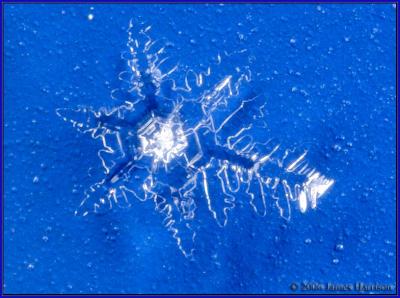 IMG_1461-crop1.jpg |
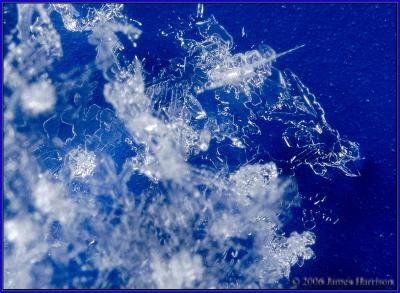 IMG_1462-crop1.jpg |
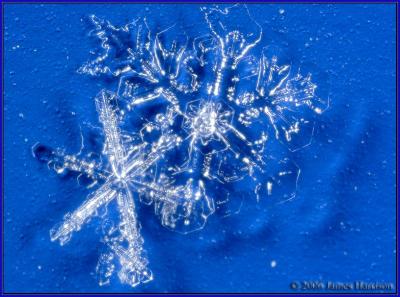 IMG_1463-crop1.jpg |
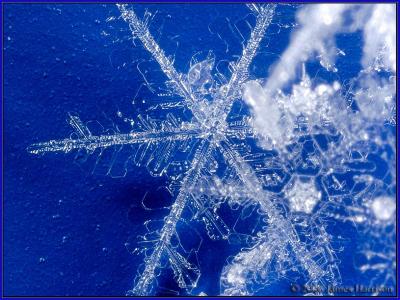 IMG_1464-crop1-cloned.jpg |
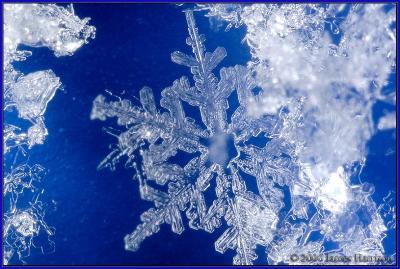 IMG_1466.jpg |
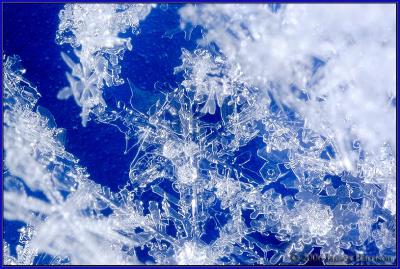 IMG_1467-cloned.jpg |
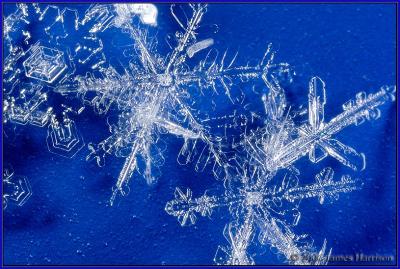 IMG_1469-cloned.jpg |
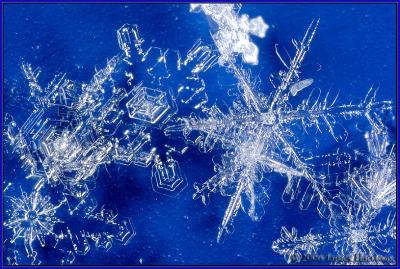 IMG_1470-cloned.jpg |
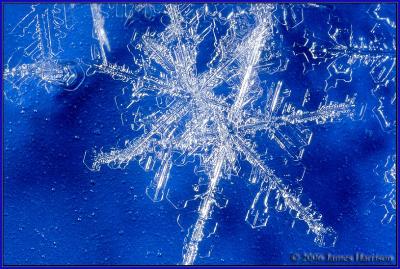 IMG_1471-cloned.jpg |
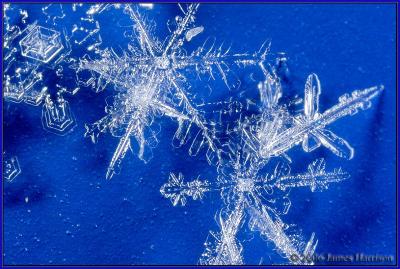 IMG_1472-cloned.jpg |
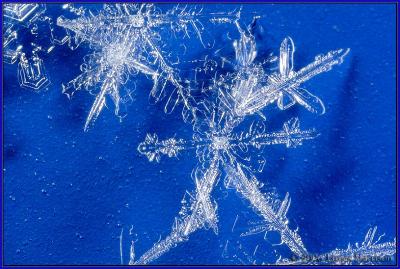 IMG_1473-cloned.jpg |
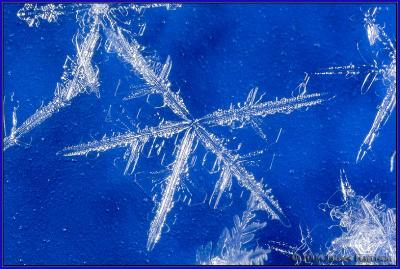 IMG_1474-cloned.jpg |
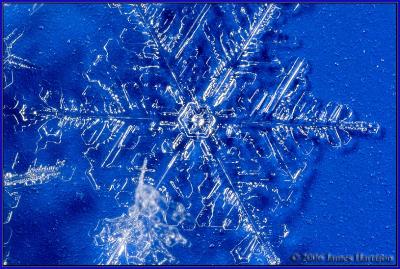 IMG_1475-cloned.jpg |
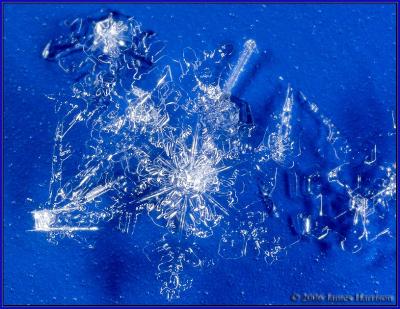 IMG_1478-crop1.jpg |
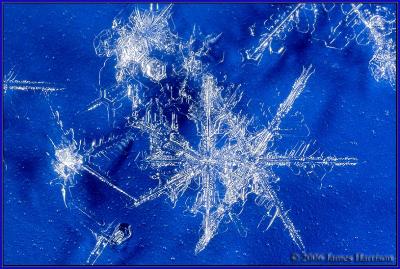 IMG_1479-cloned.jpg |
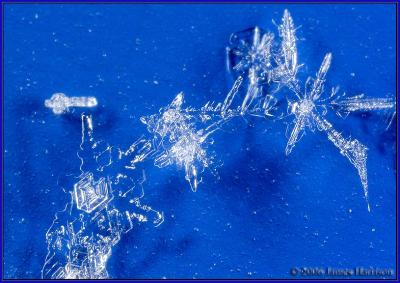 IMG_1480-crop1.jpg |
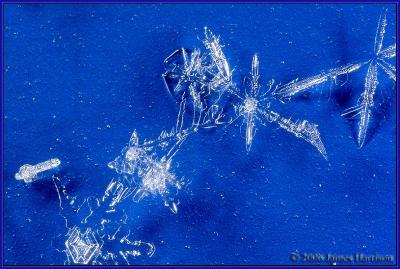 IMG_1481.jpg |
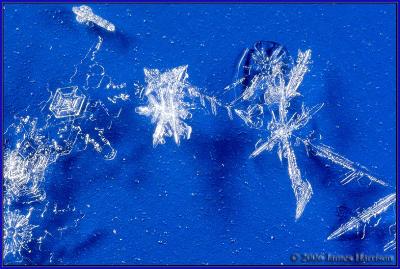 IMG_1482.jpg |
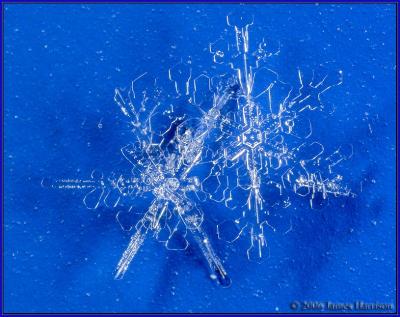 IMG_1483-crop1-cloned.jpg |
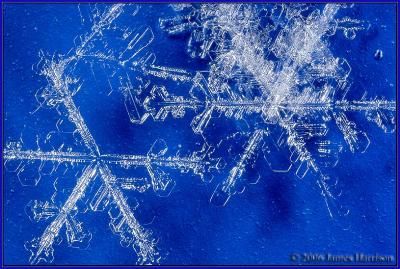 IMG_1484-cloned.jpg |
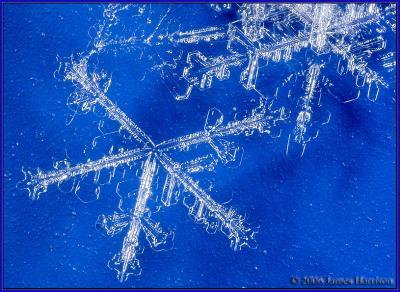 IMG_1485-crop1-cloned.jpg |
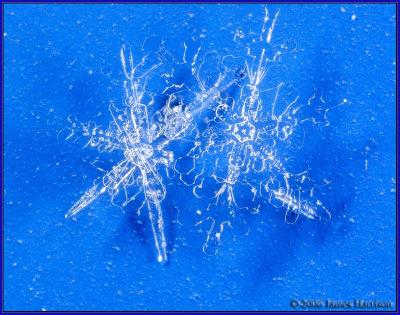 IMG_1487-crop1-cloned.jpg |
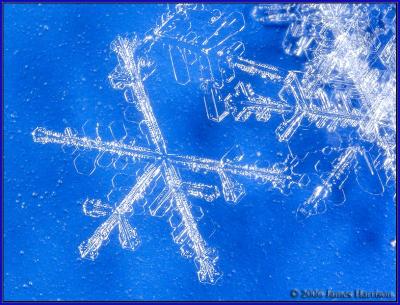 IMG_1490-crop1-cloned.jpg |
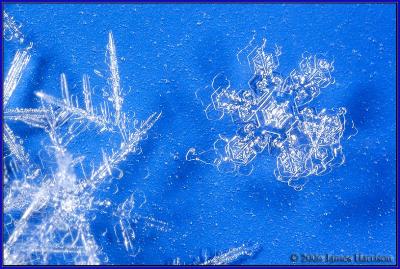 IMG_1491-cloned.jpg |
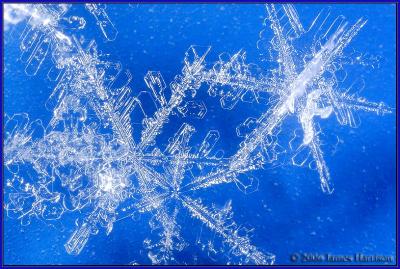 IMG_1492-cloned.jpg |
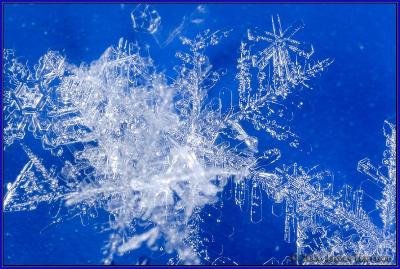 IMG_1493.jpg |
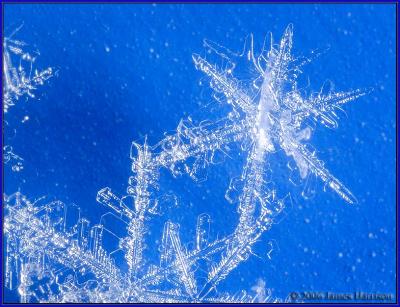 IMG_1495-crop1-cloned.jpg |
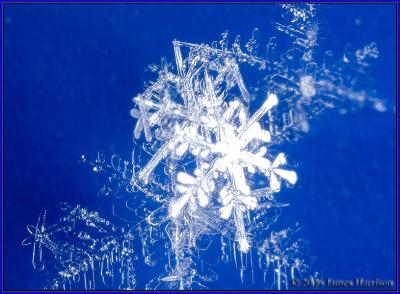 IMG_1496-crop1-cloned.jpg |
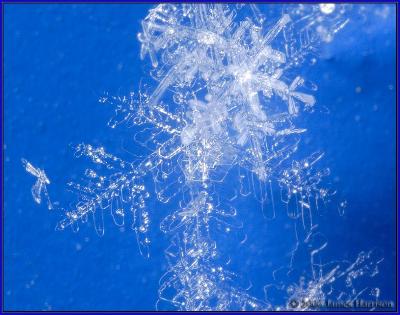 IMG_1499-crop1-cloned.jpg |
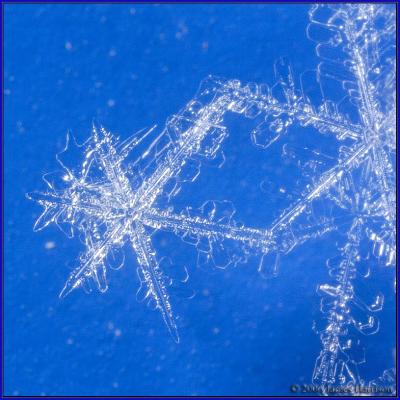 IMG_1500-crop1.jpg |
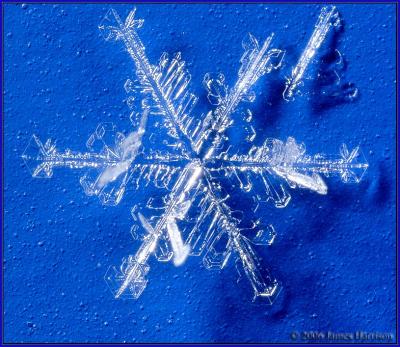 IMG_1501-crop1.jpg |
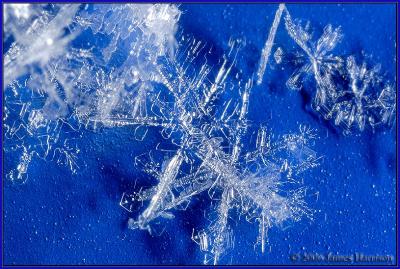 IMG_1504-cloned.jpg |
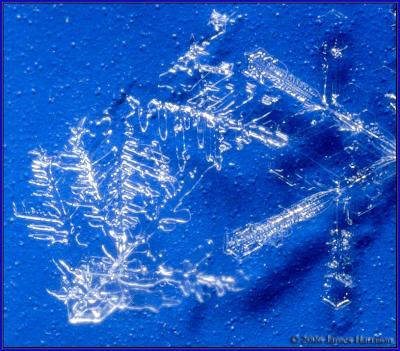 IMG_1505-crop1-rotated-cloned.jpg |
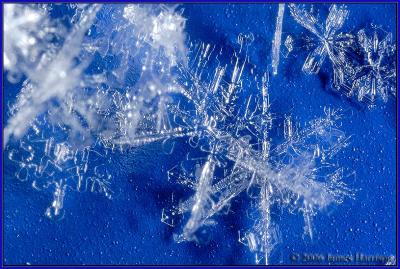 IMG_1506.jpg |
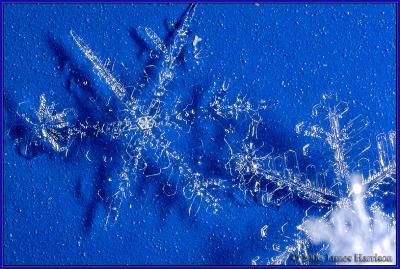 IMG_1508.jpg |
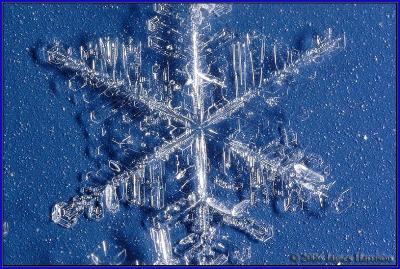 IMG_1509-cloned.jpg |
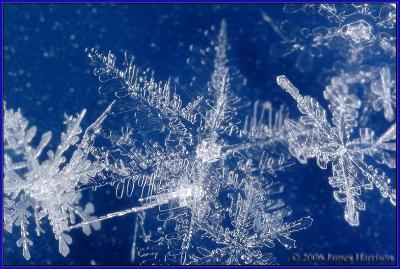 IMG_1513.jpg |
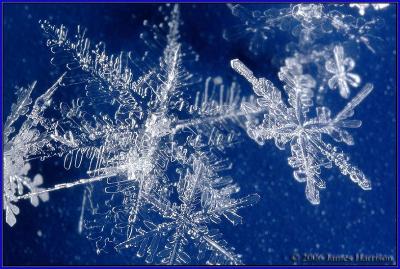 IMG_1515.jpg |
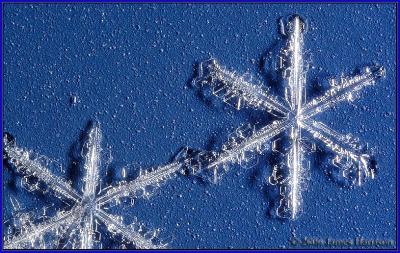 IMG_1516-crop1-cloned.jpg |
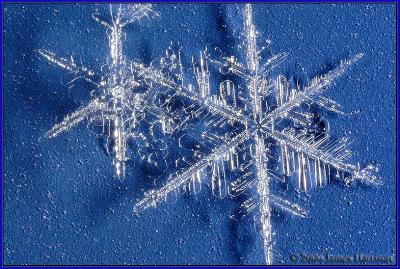 IMG_1517.jpg |
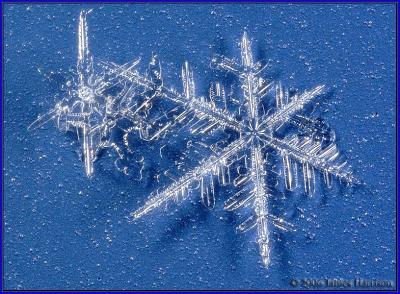 IMG_1520-crop1.jpg |
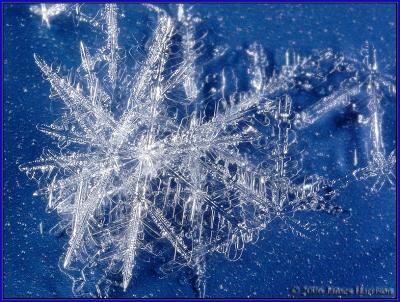 IMG_1521-crop1.jpg |
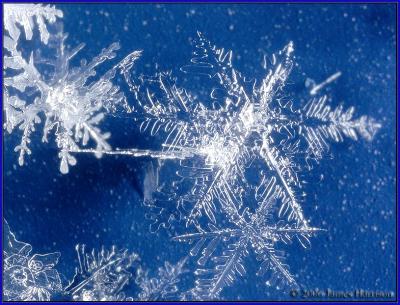 IMG_1525-crop1.jpg |
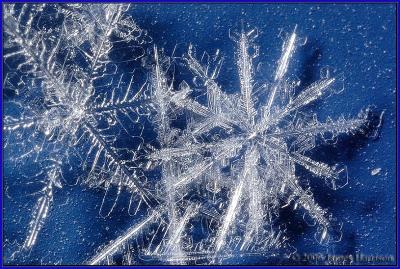 IMG_1527.jpg |
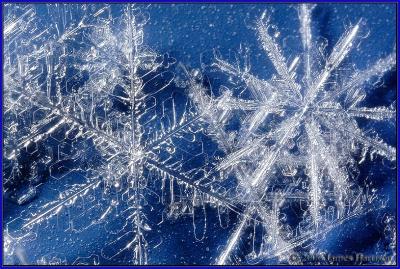 IMG_1528.jpg |
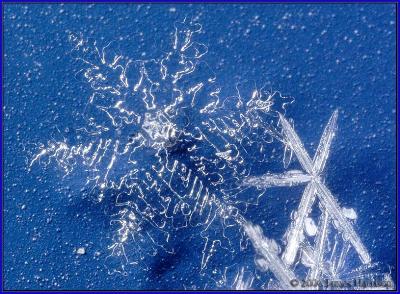 IMG_1529-crop1.jpg |
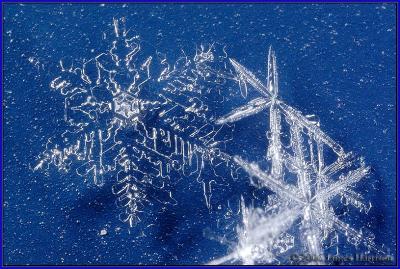 IMG_1532.jpg |
 IMG_1535.jpg |
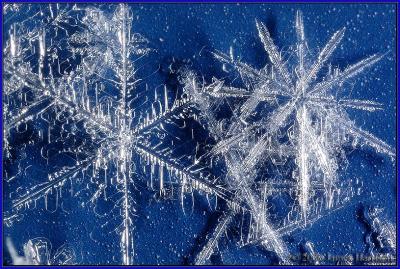 IMG_1537.jpg |
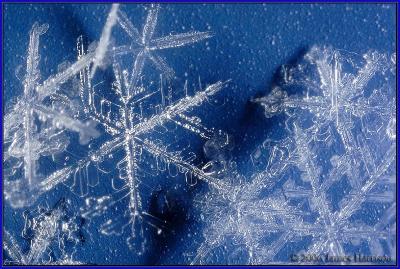 IMG_1538-cloned.jpg |
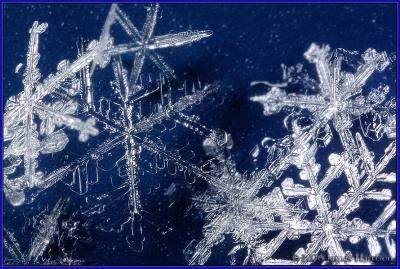 IMG_1539.jpg |
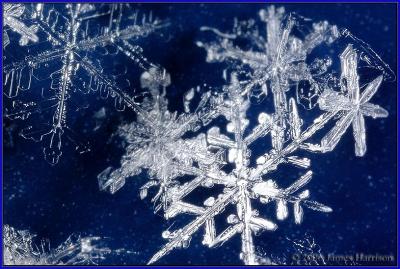 IMG_1540.jpg |
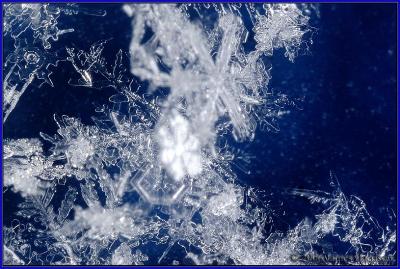 IMG_1543.jpg |
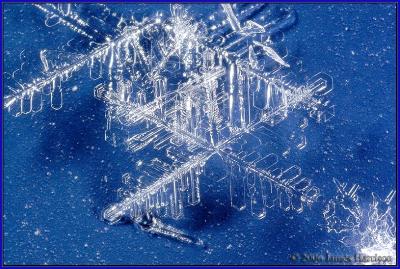 IMG_1544.jpg |
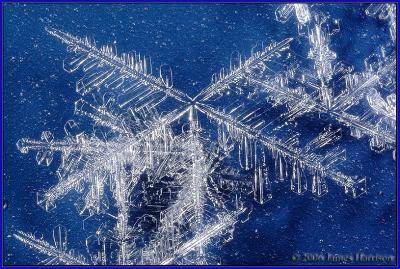 IMG_1545-cloned.jpg |
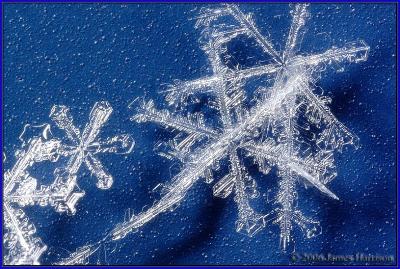 IMG_1547.jpg |
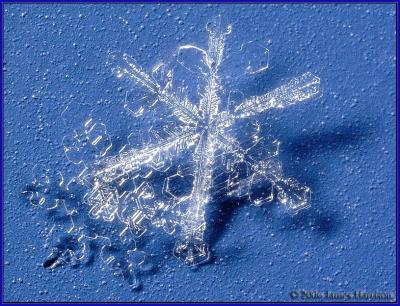 IMG_1548-cropped-cloned.jpg |
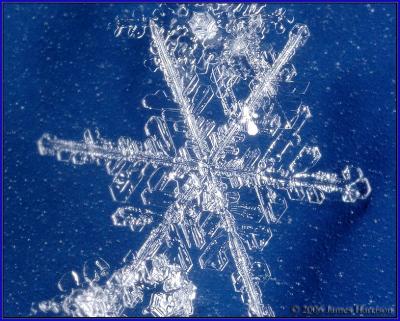 IMG_1551-crop1.jpg |
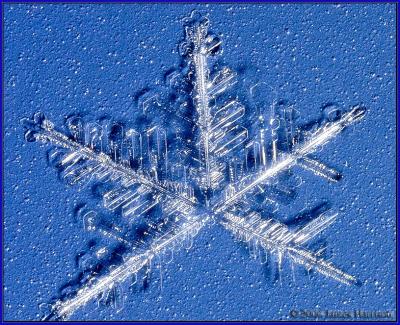 IMG_1553-crop1-rotated.jpg |
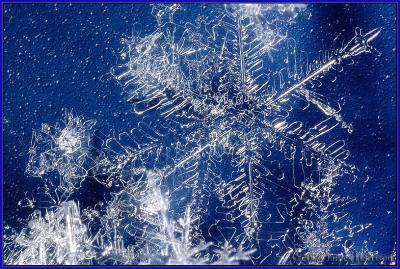 IMG_1554.jpg |
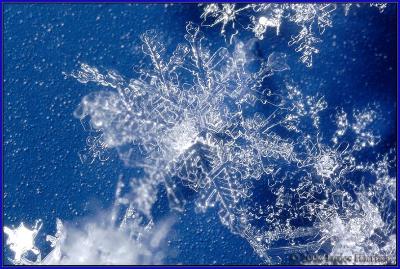 IMG_1555.jpg |
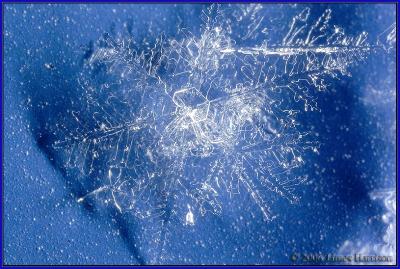 IMG_1557.jpg |
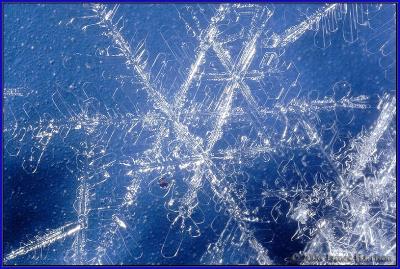 IMG_1559.jpg |
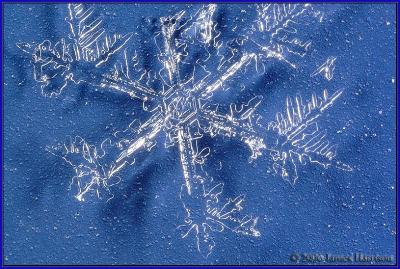 IMG_1561.jpg |
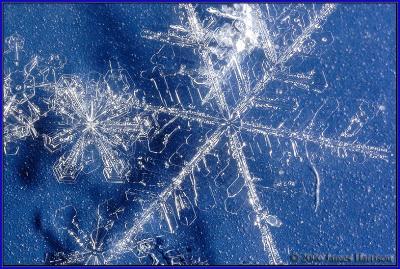 IMG_1563.jpg |
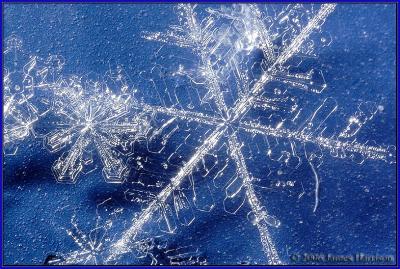 IMG_1564.jpg |
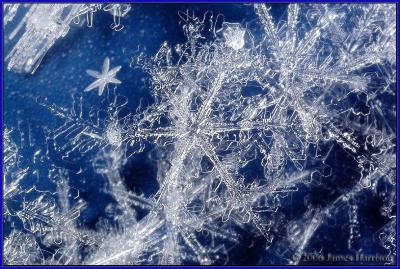 IMG_1565.jpg |
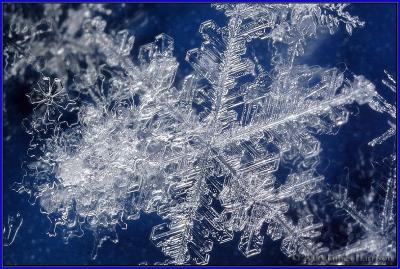 IMG_1566.jpg |
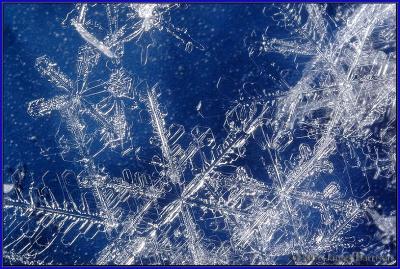 IMG_1567.jpg |
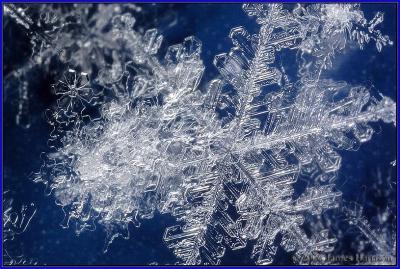 IMG_1568.jpg |
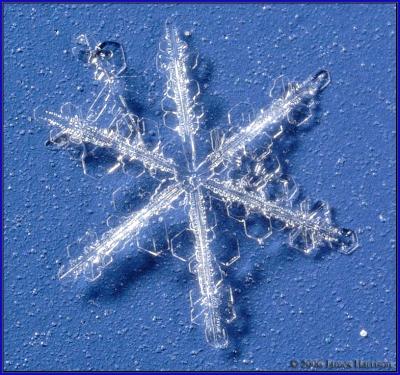 IMG_1569-crop1.jpg |
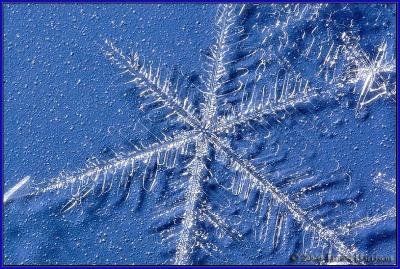 IMG_1572.jpg |
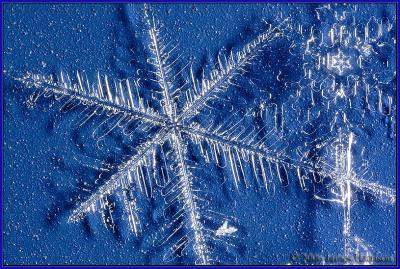 IMG_1574.jpg |
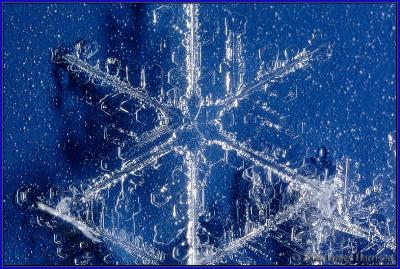 IMG_1575.jpg |
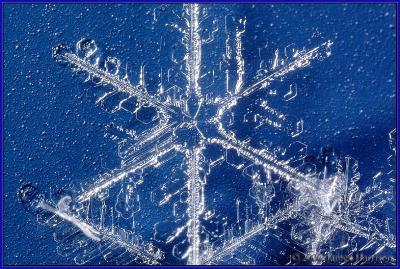 IMG_1576.jpg |
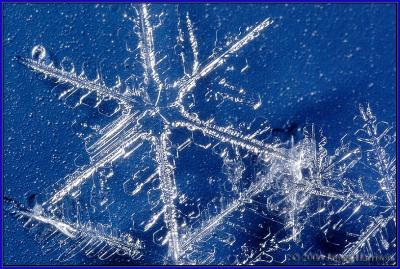 IMG_1578.jpg |
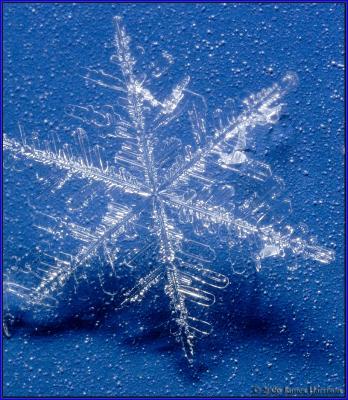 IMG_1580-crop1-rotated.jpg |
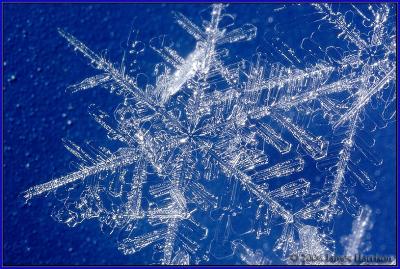 IMG_1582.jpg |
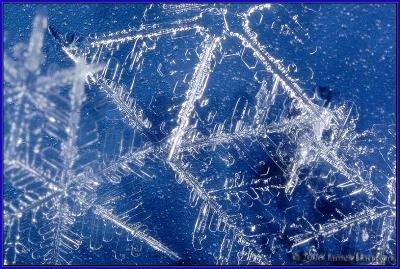 IMG_1584.jpg |
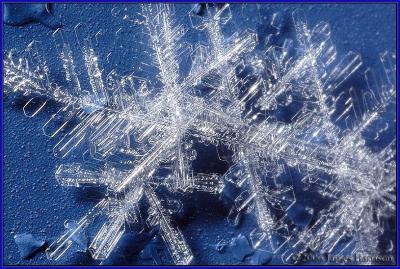 IMG_1586.jpg |
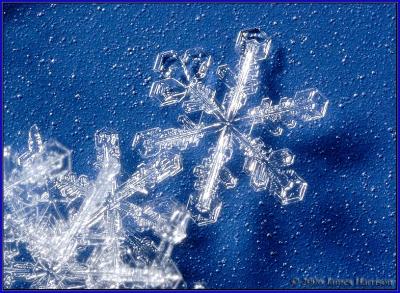 IMG_1587-crop1.jpg |
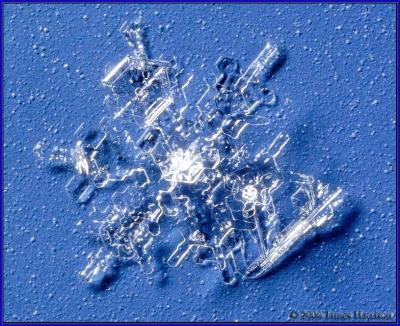 IMG_1588-crop1.jpg |
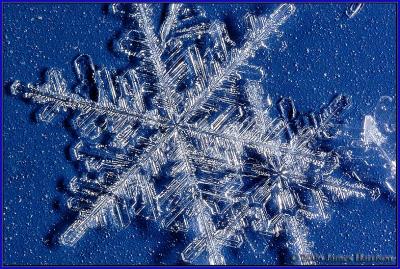 IMG_1591.jpg |
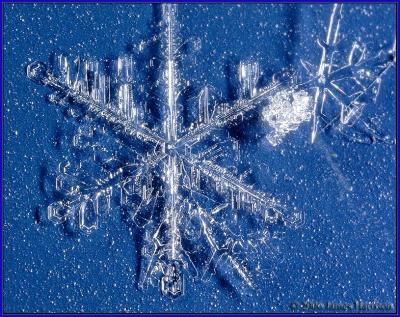 IMG_1592-crop1.jpg |
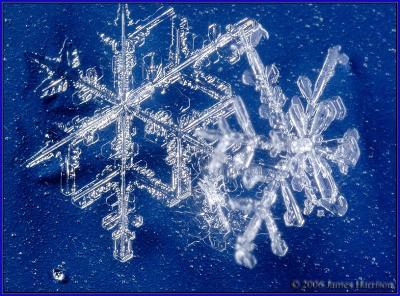 IMG_1596-crop1.jpg |
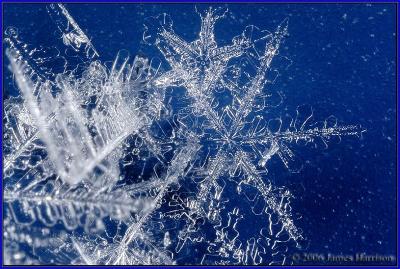 IMG_1598-cloned.jpg |
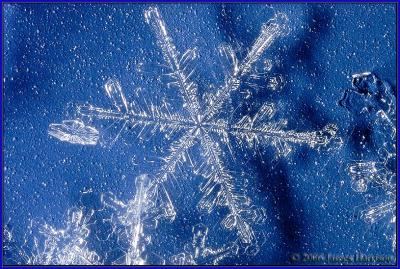 IMG_1601-cloned-flipped.jpg |
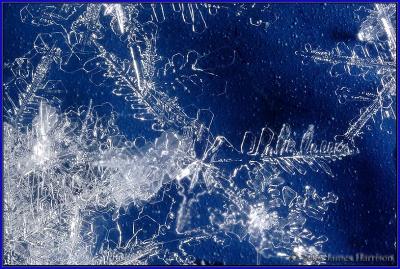 IMG_1602-cloned.jpg |
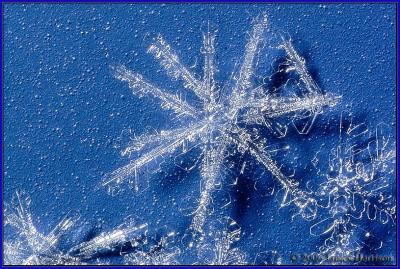 IMG_1604.jpg |
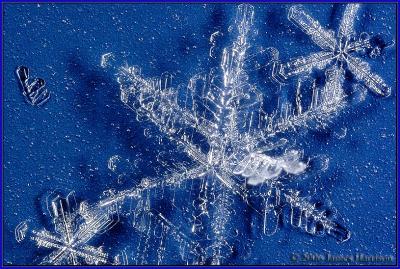 IMG_1606.jpg |
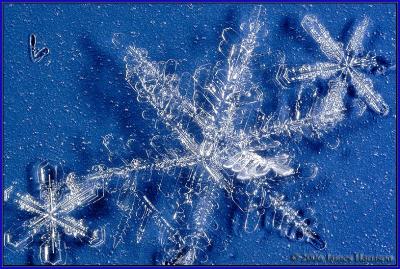 IMG_1608-cloned.jpg |
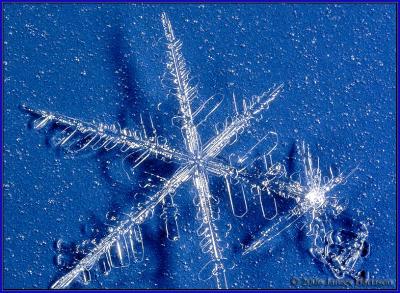 IMG_1609-crop1.jpg |
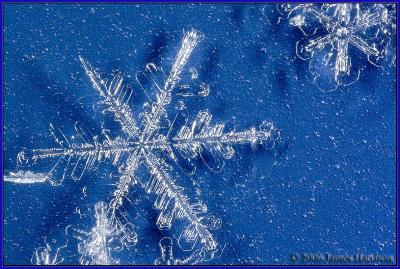 IMG_1611-cloned.jpg |
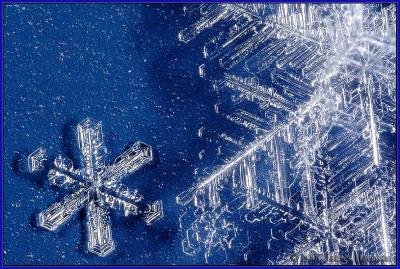 IMG_1612.jpg |
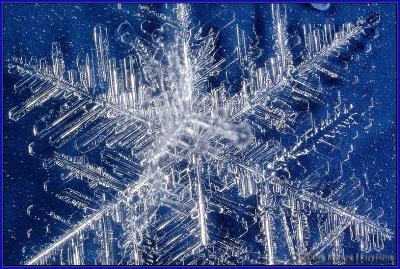 IMG_1613.jpg |
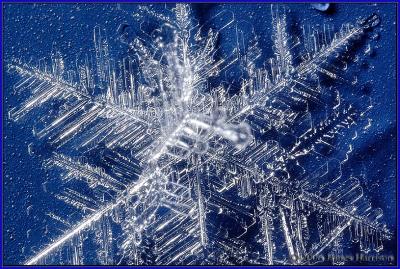 IMG_1614.jpg |
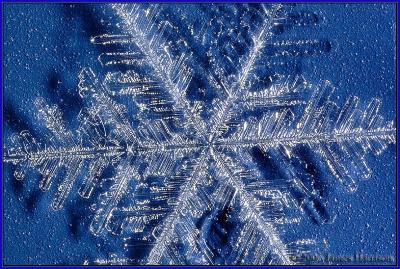 IMG_1616.jpg |
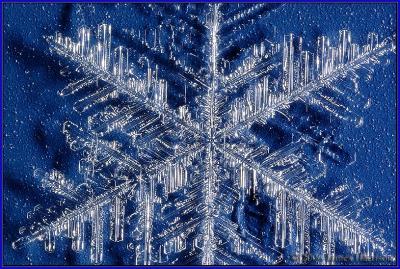 IMG_1617.jpg |
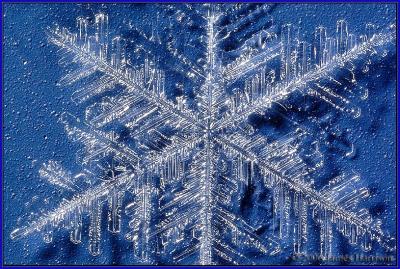 IMG_1618.jpg |
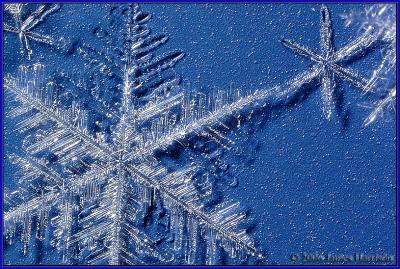 IMG_1620-cloned.jpg |
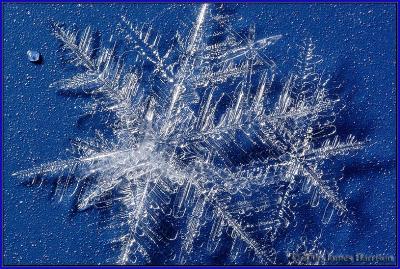 IMG_1621.jpg |
 IMG_1623-crop-clone.jpg |
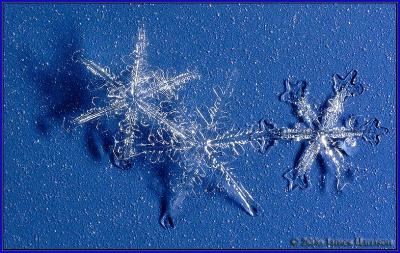 IMG_1624-crop1.jpg |
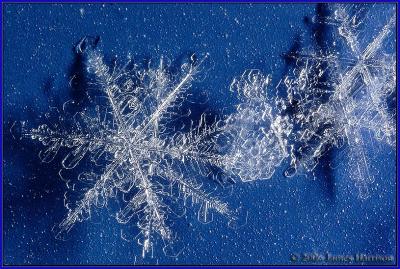 IMG_1625-cloned.jpg |
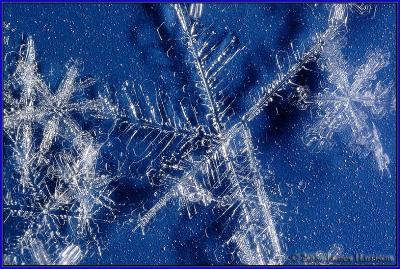 IMG_1626.jpg |
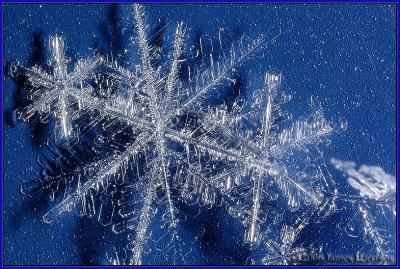 IMG_1627.jpg |
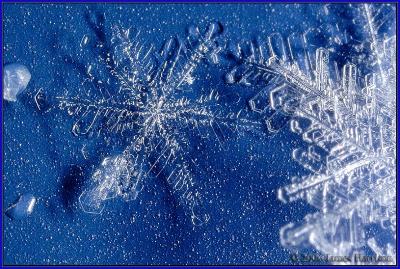 IMG_1629.jpg |
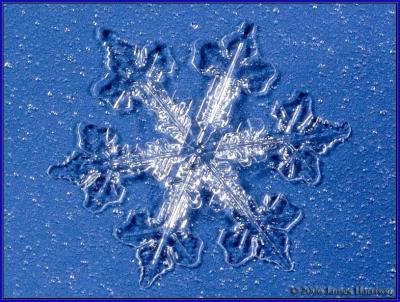 IMG_1632-crop1.jpg |
| comment | share |
| Sheila | 09-May-2008 03:48 | |
| Ramiek | 17-Feb-2007 09:18 | |
| angelique raptakis | 17-Jan-2007 04:03 | |
| james2002 | 12-Apr-2006 13:18 | |
| Guest | 29-Mar-2006 22:29 | |