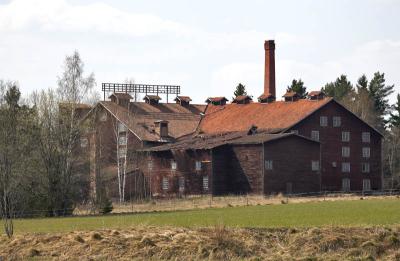
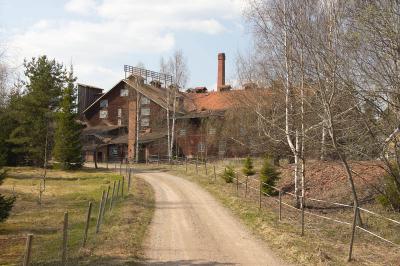
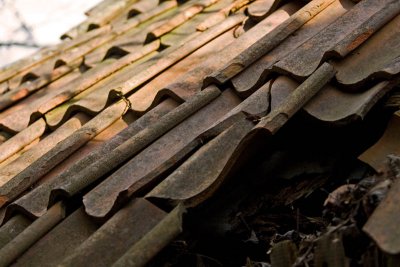
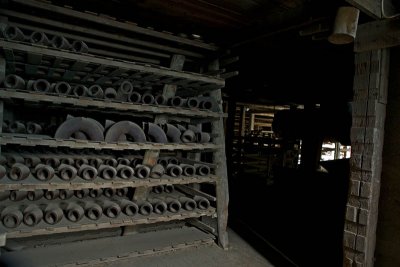
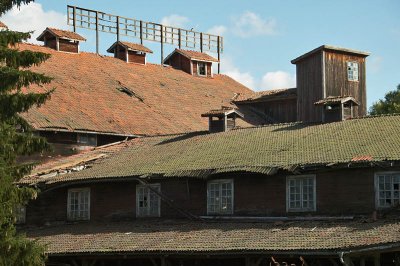
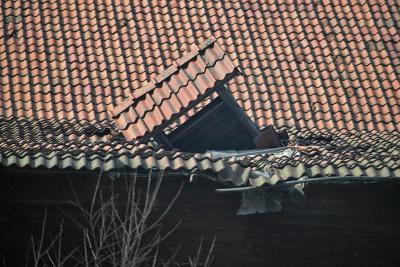
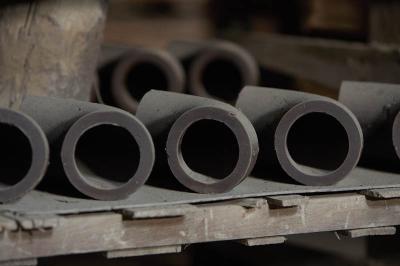
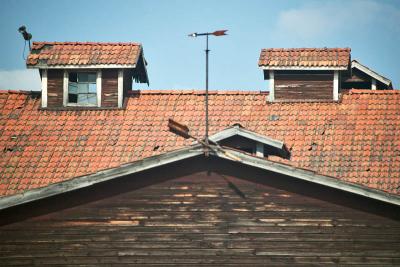
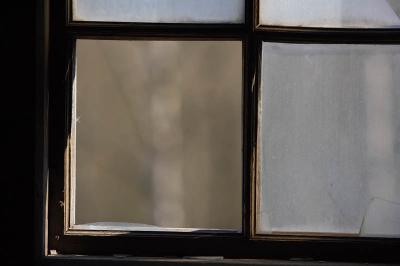
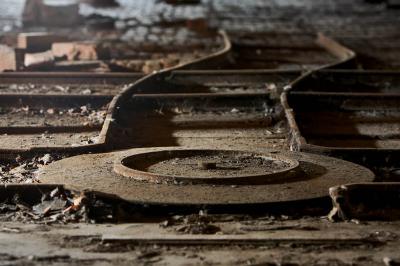
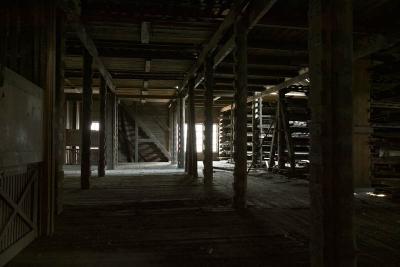
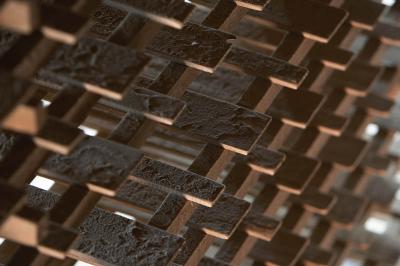
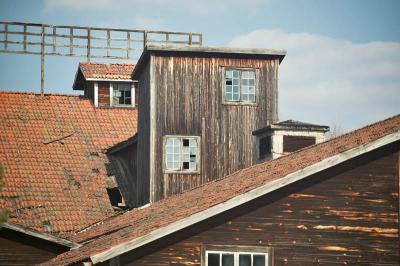
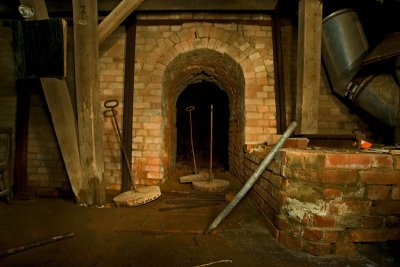
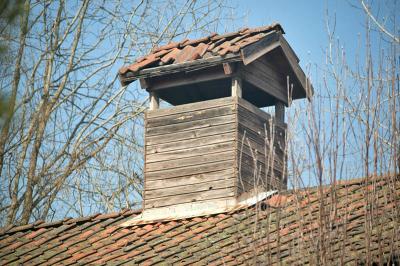
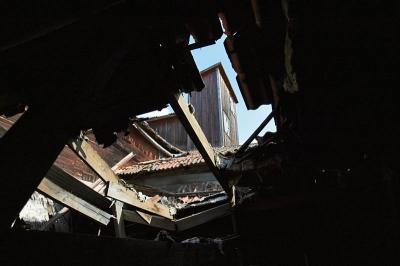
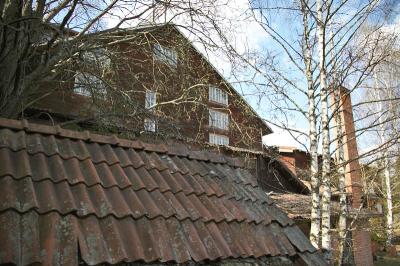
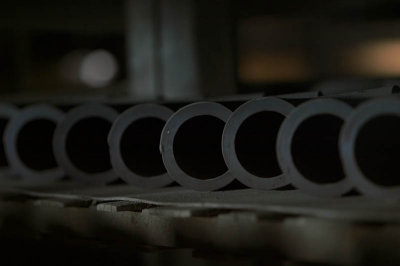
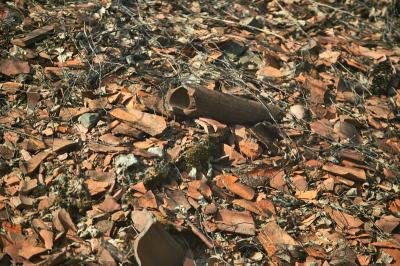
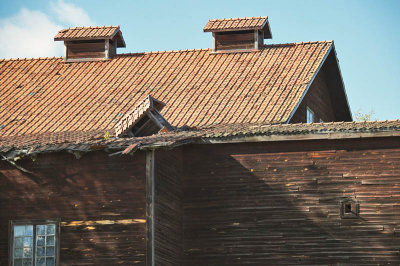
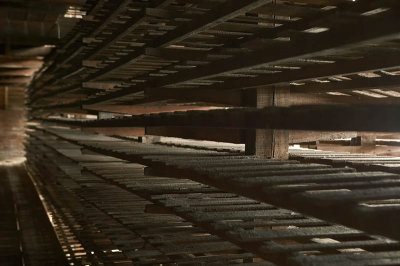
Manufacturing of roof tiles out of clay became increasingly popular during the late 1800s here in Sweden. The superior durability and aesthetical properties of the tiles made them very popular and until around 1950, they were the primary choice for roofs in this country. As almost a by product, often drainage pipes were made at the very same factories. The pipes were less critical from a color concistency perspective and were used placed nearest to the heat in the furnaces, as a barrier for direct heat and flames.
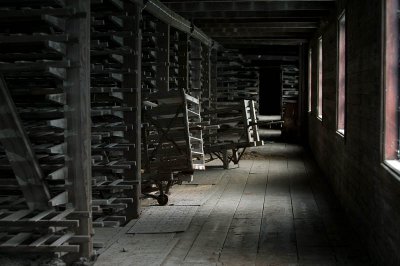
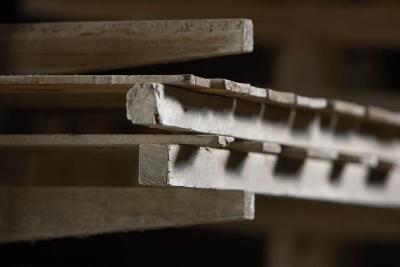
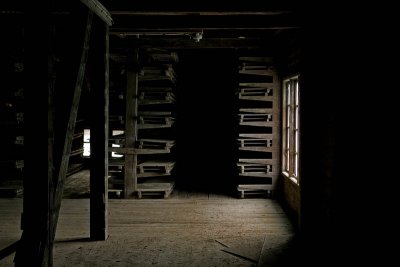
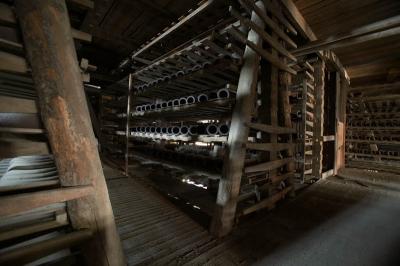
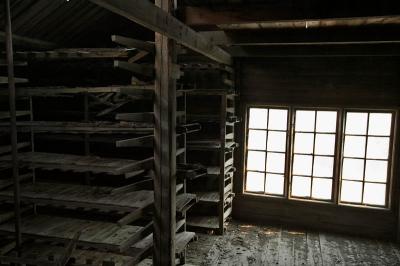
The process of making roof tile is very different compared with making bricks and until around 1920 it was a highly seasonal business. The clay was brought up during the fall and was mixed and left to mature over the winter. In the early days of the spring, the work started in making the tiles and pipes. Then, over the summer, the wet newly formed clay was left to dry in large storage faculties. In the late summer, the furnaces were lit and the tiles were finished.
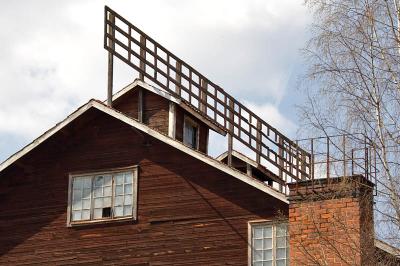
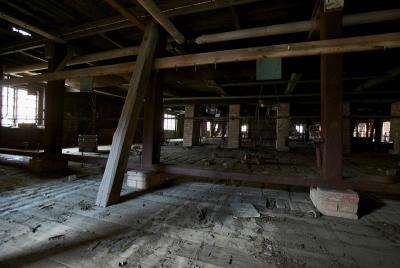
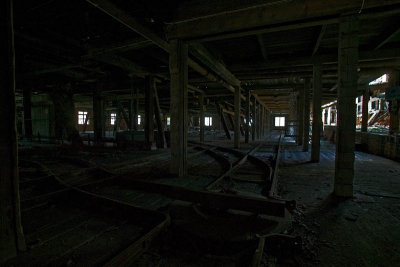
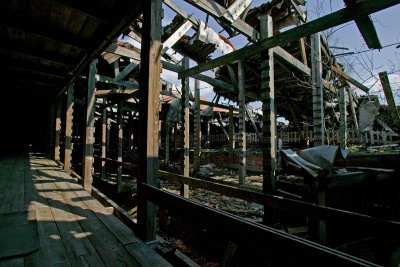
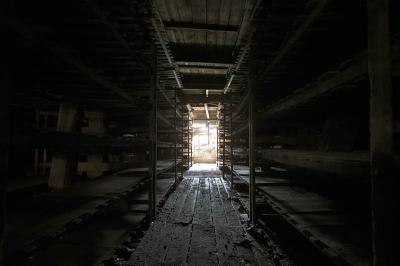
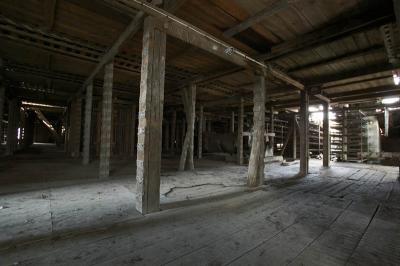
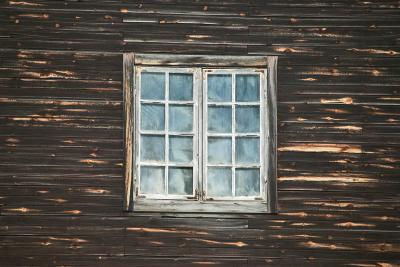
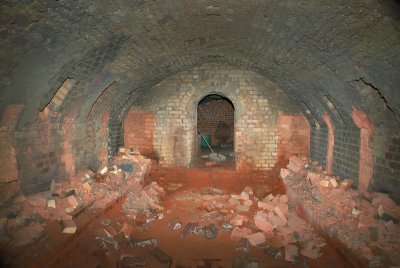
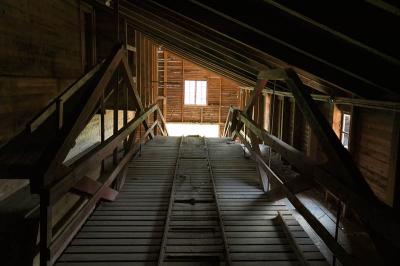
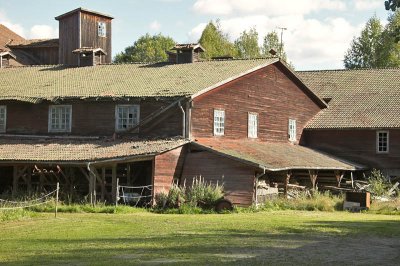
The furnaces were fired with wood, often using scrap and rejects from nearby sawmills that most tile works had as their second business when the tile works was dormant. Huge quantities of wood was required as the clay burning typically required a week or so to complete. As the factories went for all-year operation, major rebuilds were made to allow heat from the furnaces to spread throughout the storage and speed up drying process. The walls were typically thin with lots of openings to allow moisture to evaporate out in the free. Needless to say, this was a monumental waste of energy.
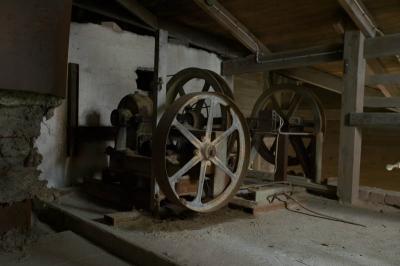
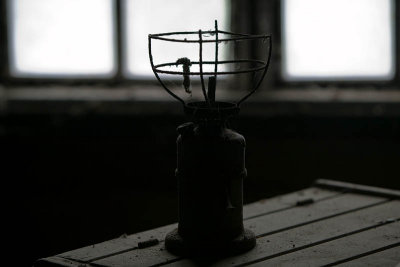
From 1920 or so, very little happened in the industry over the years from a technology perspective and as the modern time entered in the 1950s, life went on as normal. Spare for a few lamps and electric motors, the process was old-fashined and highly labor intensive. As fuel oil became widely available at low cost around 1955, some factories introduced oil-firing with the simplest upgrade possible. The intakes for wood was simply replaced with pipes where low-cost bunker oil was sprayed in and a giant continuous flame formed. The larger units consumed a tanker car of oil - every day. Imagine that with today's oil prices, ban of high-sulphur oil and CO2 cap-and-trade...
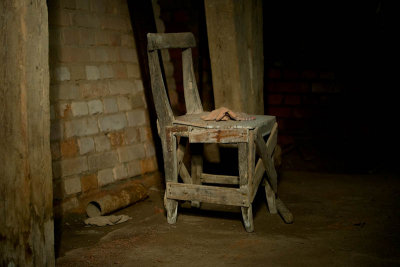
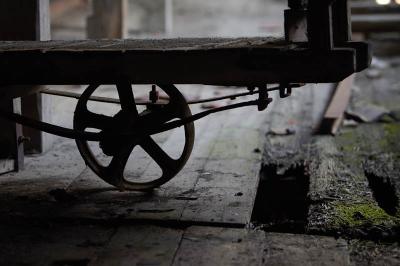
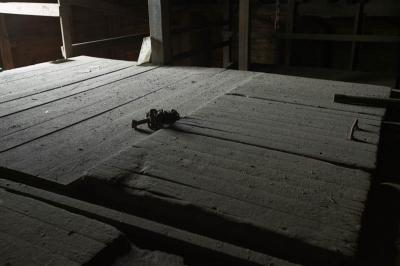
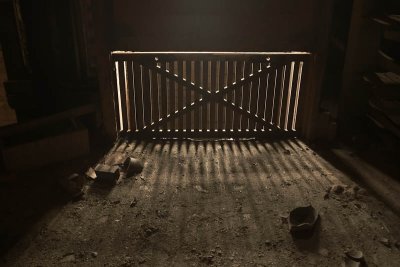
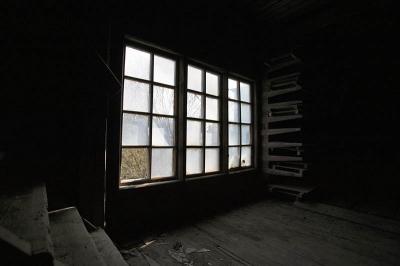
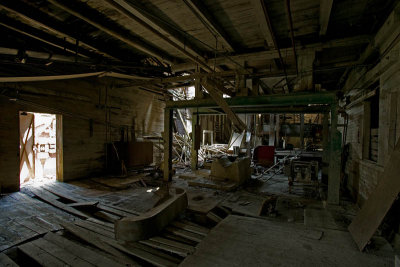
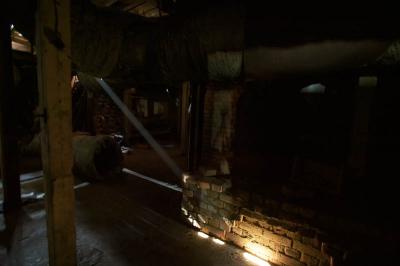
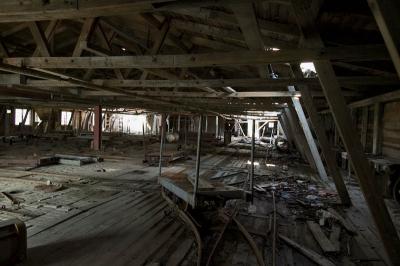
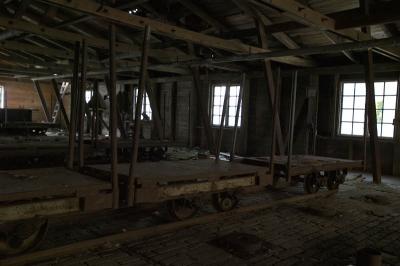
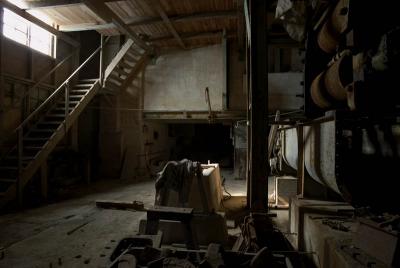
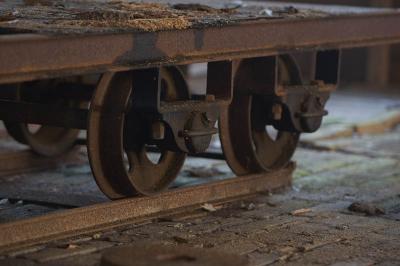
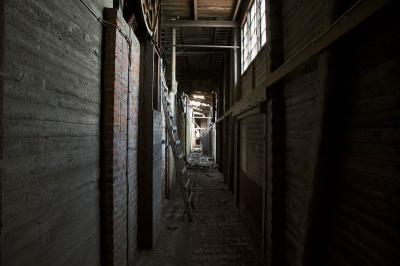
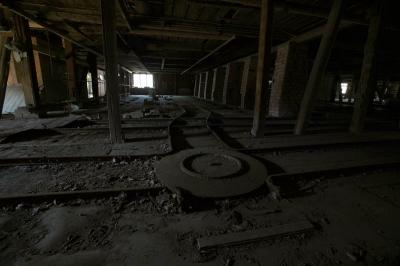
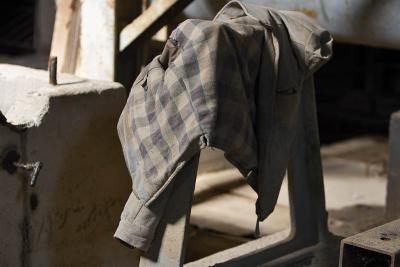
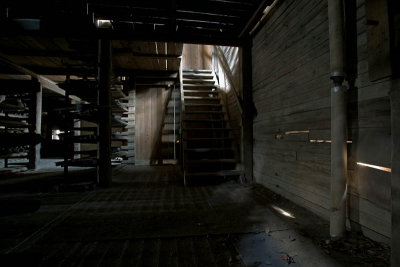
The daily work was performed in dim light. It was hard, dirty and the temperature difference throughout the building could easily be 100 degrees C or more on a cold winter day. When walking around in these empty premises, you instantly get the feeling how it must have been like to work there. Given the low overall efficiency of the manufacturing process and the number of workers required, the wages were kept low. Over the years as the standard of living increased, it became more and more difficult to maintain the labor force and attract new workers to this old fashioned industry.
During the early 1960s, life became increasingly difficult for these factories. New materials entered the market at a fraction of the cost, often made in brand-new factories and state-of-the-art production processes. The wages during the 1960 went up steeply and the works now closed one by one, but surprisingly, still a few made their way into the 1970s. But the factories were now so hopelessly old-fashioned and the philosophy of manual labor in combination of a terribly energy inefficient process ended it all in just a few years.
Today, there is only one factory making traditional Swedish roof tiles. Ironically, a catastrophic fire that devastated the factory in 1955 was probably what saved it. It was the last one to be rebuilt when the times business climate was still reasonably okay and their owners decided to make it modern. If the fire had occurred five years earlier, it would probably have been rebuilt in the old-fashioned way, which implicitly meant that it wouldn't had made it through the 1960s. If the fire had struck five years later, the factory would simply not have been rebuilt at all.
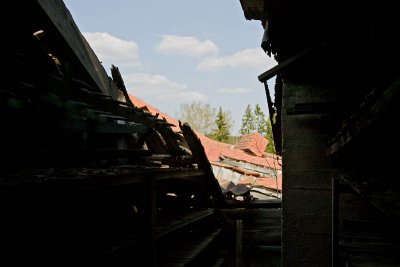
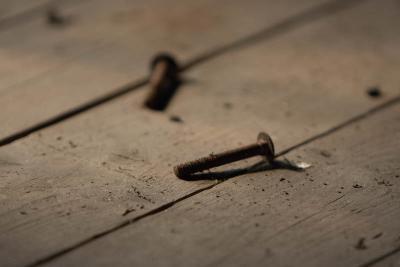
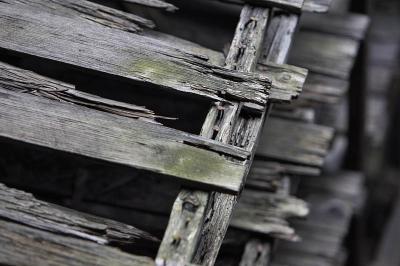
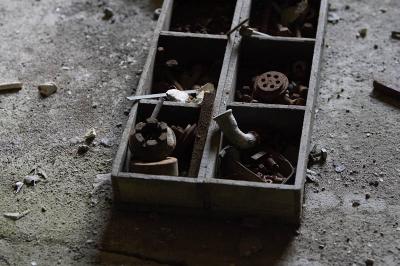
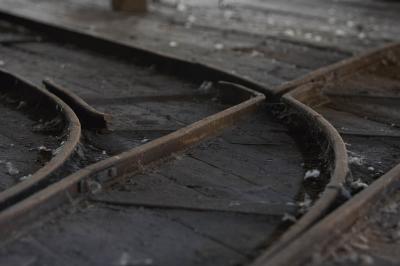
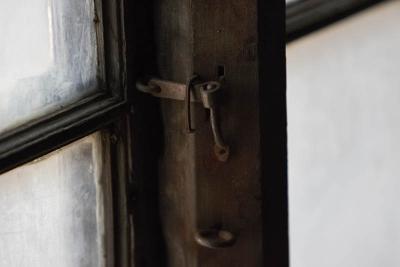
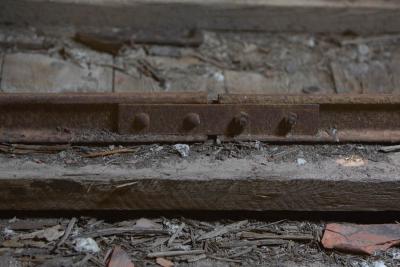
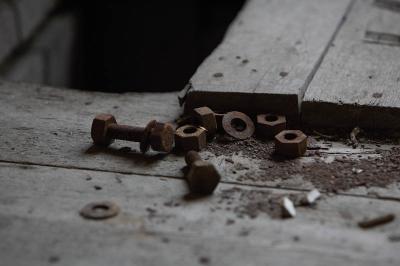
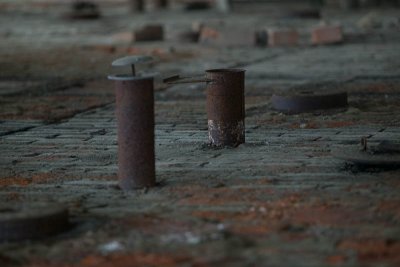
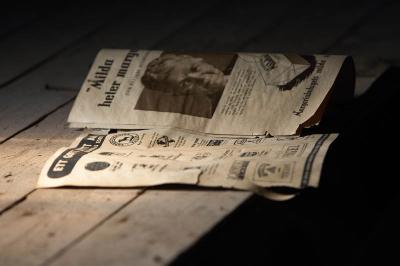
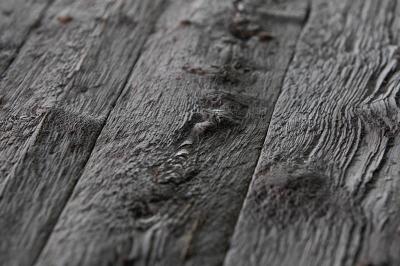
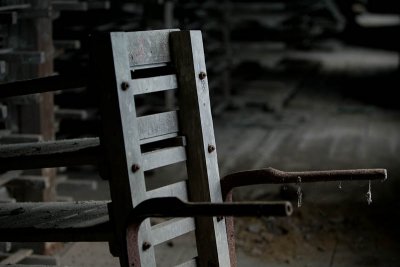
With very few exceptions, all these closed factories are gone since long, often torched shortly after the closure. Walking around in the darkness and silence of a giant wooden building that has been left to deteriorate for forty years is amazing. Lots of interiors and equipment was left and it is stunning to imagine how these factories could survive that long.
.
Thank you for creating this very interesting gallery and providing the detalied description. And of course he photos are excellent. "V"
Best Wishes, Walter