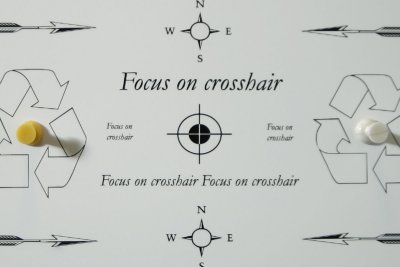
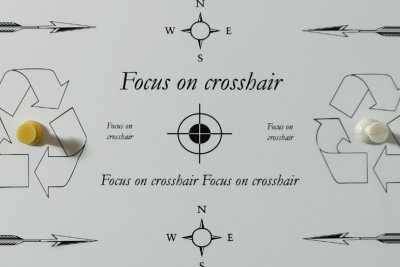
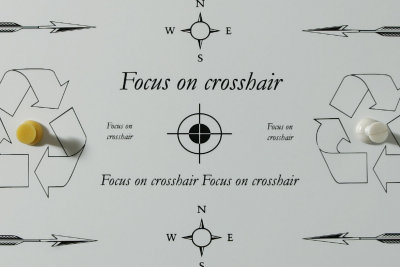
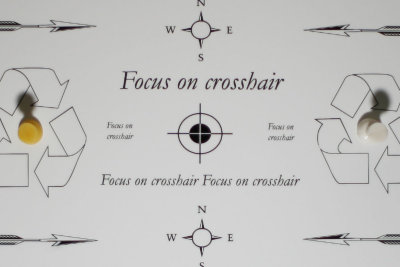
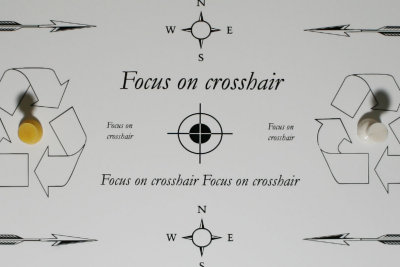
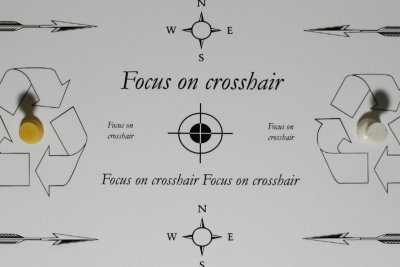
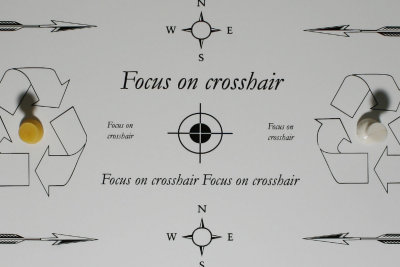
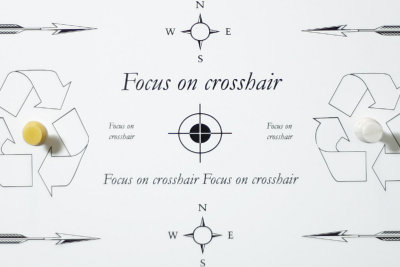
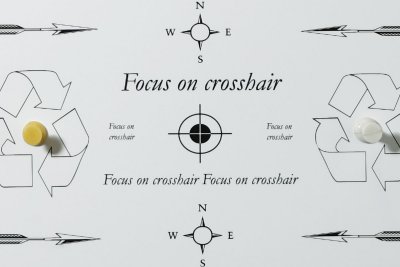
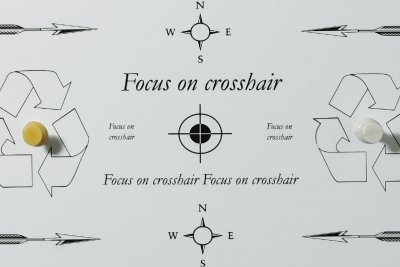
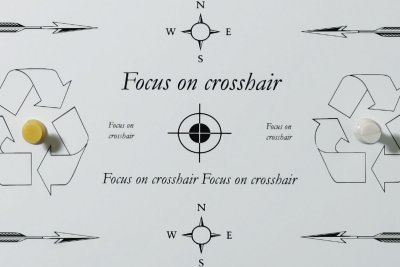
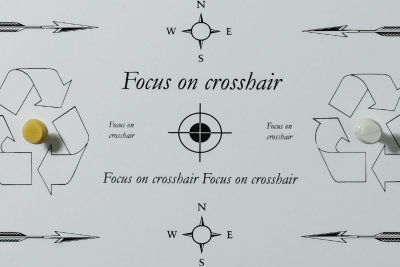
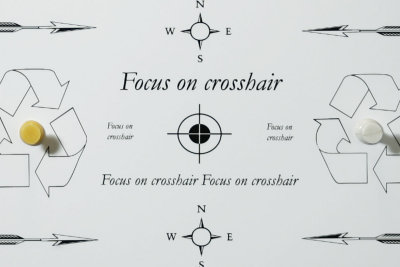
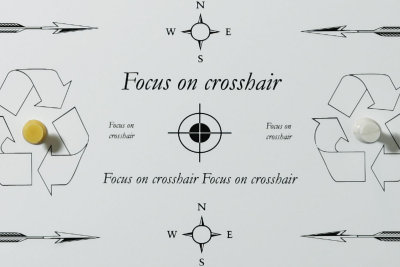
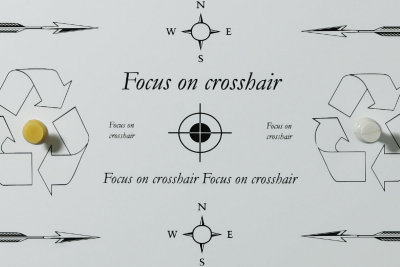
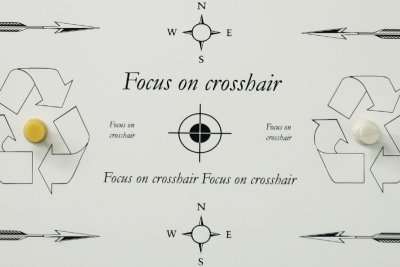
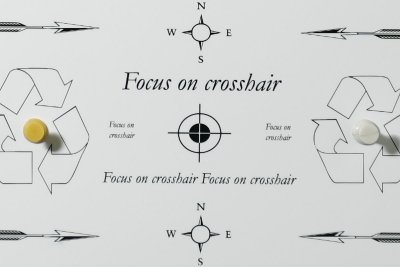
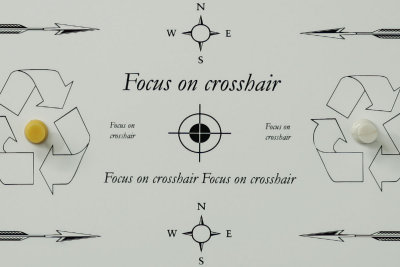
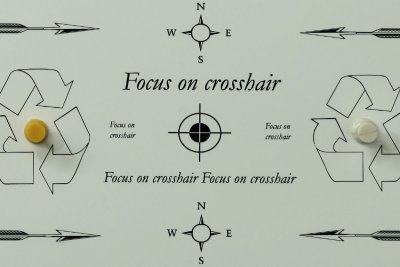
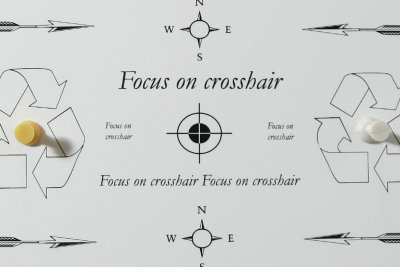
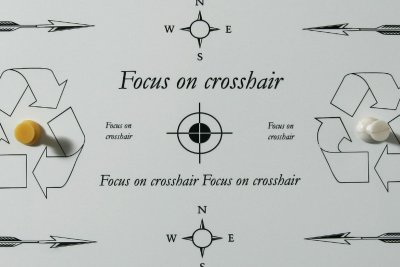
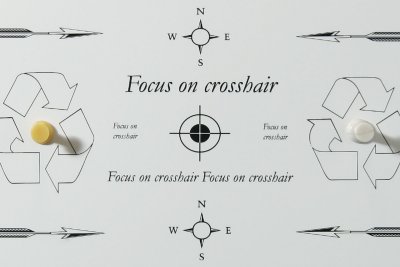
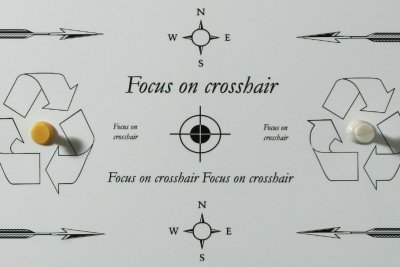
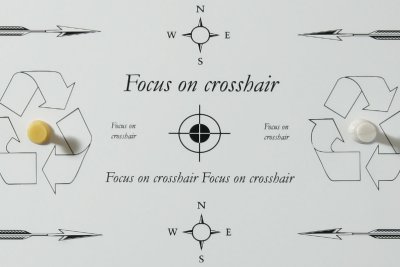
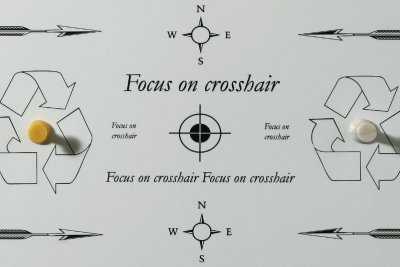
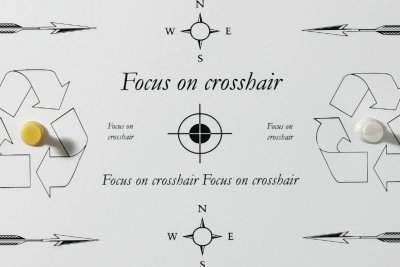
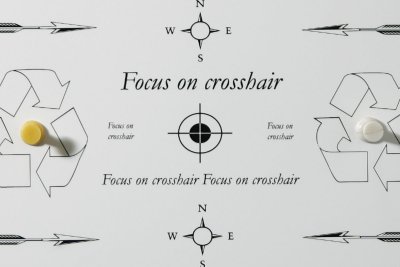
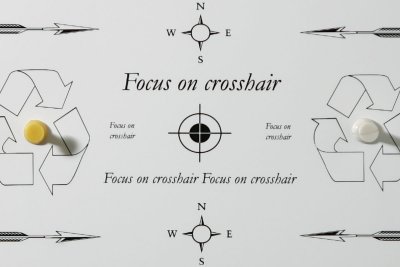
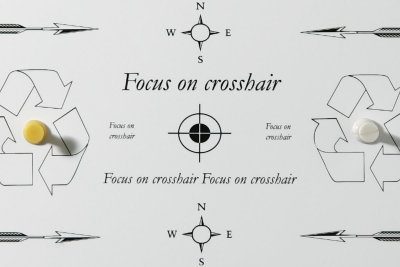
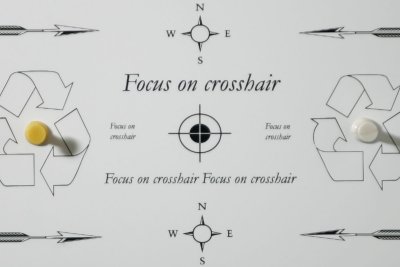
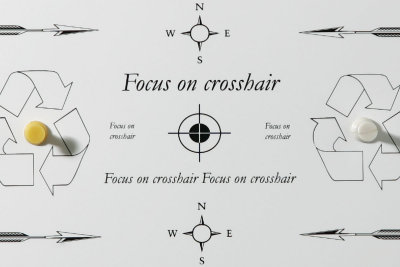
Shot at approximately 18x focal length, all are center crops. All lenses shot with the 1DmkIIn, except the 17-50 which was shot using the 20D.
Lenses tested:
The 17-50 is good at f/2.8 except at 50mm where it's a little soft. It approaches prime sharpness at f/5.6.
The Sigma 20mm f/1.8 is a freaky lens with razor thin dof at f/1.8. Along with lens curvature, this lens is not meant for shooting wall charts. Still, it tests sharp on the charts and is a very good lens in real world situations.
The 28mm f/1.8 is a new lens in my fold, and as such my observations are initial ones from the test and do not reflect the benefits of "real world" shooting. I will say that the USM is great (read: fast!)on this lens and it is small but well balanced even on my large 1DmkIIn. It focuses well in not so good light. Regarding the test results, it is as billed. Which is to say, it is good in the center at f/1.8 (some loss of contrast here) but is noticably sharper at f/2.0 with better contrast. By f/2.8 it is very sharp with excellent contrast, although the corners still suffer, and at f/5.6 it is excellent in the middle and very good in the corners.
The Canon 50mm f/1.8 is a must have for any Canon shooter who doesn't already own one of its other faster, more expensive siblings. It might be the worst of my f/1.8's at wide open apertures, but not by much and that's still saying a lot. At smaller apertures (f/2.8 - 5.6) it is competitive with most of my other primes.
The Sigma 70-200 f/2.8 macro is a little soft at f/2.8 and 200mm. Too bad. Otherwise it is a very good performer, especially at 135mm where it seems to reach its peak.
The Canon 85mm f/1.8 is a sharp prime even at f/1.8. At f/1.8 it is close to the 135L at f/2. At f/2.8 and beyond it is great. This is somewhat of a revelation for me as I use it mainly for basketball which means low, harsh lighting and shooting all the time at iso1600+. All factors that hide the performance of a lens in good light.
The Canon 135mm f/2 is a stellar lens, capable of great results at all of the apertures tested. It also has some of the best edges and contrast.
The Sigma 180mm f/3.5 macro is one of my favorite lenses. It tests as pretty sharp at f5.6 - in real life applications it is very sharp at this aperture. In real life applications, f/3.5 on this lens is good enough for feather detail, which is still pretty sharp. In the tests, (when I focus it right ) it came out a little soft at f/3.5.
The Canon 300mm f/4 IS is arguably my sharpest lens at wide open apertures (even sharper than the 135 f/2 at f/2!). Coupled with the 2 stop IS this is one versatile lens for this focal length. Sharpness increases slightly when stopped down a bit. Edges are excellent.
Hi,
I think the larger issue between these two lenses is focal length. If one has a 1.6x crop body, the 85mm f/1.8 is a 35mm equivalent of 136mm. At 216mm the 135 f/2 L is a little long.for my tastes. The reason why I can say that focal length is the major difference is because the IQ between them is not that different. It IS important to note that the 135L is slightly better in the corners, has slightly better saturation and contrast. But, auto focus speed goes to the 85 f/1.8. It's also smaller, lighter and less obtrusive than the 135L. Hope this is helpful.
Ian
Guest
03-Feb-2008 22:35
Hi. Thanks for your helpful tests. It seems to me, and your comments also suggest, that the 85/1.8 is practically as sharp as the 135/2 both wide open. I have been thinking about the 135 because it is reported (Photozone, SLRGear, digital-picture, wlcastleman...) to be sharper than the 85 below f/2.8. Do you think you have a particularly sharp copy of the 85, or perhaps the 135's reputation is somewhat exaggerated? Thanks.