photo sharing and upload picture albums photo forums search pictures popular photos photography help login
Scott | profile | all galleries >> Austria >> Festung Kufstein / Kufstein, Austria tree view | thumbnails | slideshow

Festung Kufstein / Kufstein, Austria

Festung Kufstein, or Fortress Kufstein, is situated along the Inn River in Kufstein, Austria. The fortress, owned by the bishops of Regensburg, originates from 1205. Afterwards the ownership was shared with the Bavarian Dukes. From 1313 on, Kufstein Castle belonged to the Dukes of Bavaria.

Festung Kufstein, or Fortress Kufstein, is situated along the Inn River in Kufstein, Austria. The fortress, owned by the bishops of Regensburg, originates from 1205. Afterwards the ownership was shared with the Bavarian Dukes. From 1313 on, Kufstein Castle belonged to the Dukes of Bavaria.

In 1415 Duke Ludwig the Bearded enlarged the fortification. In 1504 Emperor Maximilian I besieged & conquered Kufstein. He ordered the castle to be newly built & expanded it to the size of a fortress. In the 17th century, the complex was again enlarged. In 1703 and 1805 the Bavarians conquered the fortress which again came into Austrian ownership in 1814. It has belonged to the city of Kufstein since 1924.

In 1415 Duke Ludwig "the Bearded" enlarged the fortification. In 1504 Emperor Maximilian I besieged & conquered Kufstein. He ordered the castle to be newly built & expanded it to the size of a fortress. In the 17th century, the complex was again enlarged. In 1703 and 1805 the Bavarians conquered the fortress which again came into Austrian ownership in 1814. It has belonged to the city of Kufstein since 1924.

Medieval suit of armour, housed within the Festung Kufstein.

Medieval suit of armour, housed within the Festung Kufstein.

Watch tower of the Wallachen Bastion at Festung Kufstein. This fortied outter wall and tower overlooks the Inn River below.

Watch tower of the Wallachen Bastion at Festung Kufstein. This fortied outter wall and tower overlooks the Inn River below.

Wallachen Bastion of Festung Kufstein. This name probably stems from the so-called Wallachen battalion” consisting of 152 men who were recruited around the year 1800 to extend the ramparts of the Fortress.

Wallachen Bastion of Festung Kufstein. This name probably stems from the so-called "Wallachen battalion” consisting of 152 men who were recruited around the year 1800 to extend the ramparts of the Fortress.

The Kaiserturm, or Emperor's Tower, of Festung Kufstein. Construction began on this tower in 1518 and was completed in 1522.

The Kaiserturm, or Emperor's Tower, of Festung Kufstein. Construction began on this tower in 1518 and was completed in 1522.

The Caroli Bastion of Festung Kufstein. First building dates from around 1450. The design & appearance of the building as it is today, dates from 1683.

The Caroli Bastion of Festung Kufstein. First building dates from around 1450. The design & appearance of the building as it is today, dates from 1683.

Josefsbrug, the interior courtyard of Festung Kufstein, contains casemate attics & interiors with historic lime insulation. The first evidence of the building dates from 1675. Construction was completed around 1745 under the supervision of master-builder Johann Martin, the Younger (1686-1765).

Josefsbrug, the interior courtyard of Festung Kufstein, contains casemate attics & interiors with historic lime insulation. The first evidence of the building dates from 1675. Construction was completed around 1745 under the supervision of master-builder Johann Martin, the Younger (1686-1765).

The Kaiserturm of Festung Kufstein was constructed by master builder Michael Zeller, The Prussian”. The Kaiserturm's diameter is about 21 meters, and the wall thicknesses are between 4 and 7.5 meters.

The Kaiserturm of Festung Kufstein was constructed by master builder Michael Zeller, "The Prussian”. The Kaiserturm's diameter is about 21 meters, and the wall thicknesses are between 4 and 7.5 meters.

The Kaiserturm was used as a state prison, and today, still contains the prison cells.

The Kaiserturm was used as a state prison, and today, still contains the prison cells.

A sun dial on the Kaiserturm of Festung Kufstain. The sun dial was restored in 1999. To the right of the sun dial is a red & white Austrian shield.

A sun dial on the Kaiserturm of Festung Kufstain. The sun dial was restored in 1999. To the right of the sun dial is a red & white Austrian shield.

The Kaiserturm of Festung Kufstein, as viewed from the Caroli Bastion.

The Kaiserturm of Festung Kufstein, as viewed from the Caroli Bastion.

View of the outer casement walls of Josefsburg, the inner courtyard of Festung Kufstein. Below is the Inn River.

View of the outer casement walls of Josefsburg, the inner courtyard of Festung Kufstein. Below is the Inn River.

Arched entryway, leading from the Caroli Bastion to the Anna Battery area of Festung Kufstein.

Arched entryway, leading from the Caroli Bastion to the Anna Battery area of Festung Kufstein.

View of the Kaiserturm form the Anna Battery area of Festung Kufstein. The Anna Battery contains vegetable & herb gardens.

View of the Kaiserturm form the Anna Battery area of Festung Kufstein. The Anna Battery contains vegetable & herb gardens.

The Peacock's Tail of Festung Kufstein. This part of Festung Kufstein was built in the mid 16th Century. Over is the Caroli Bastion and above that is the Kaiserturm.

The "Peacock's Tail" of Festung Kufstein. This part of Festung Kufstein was built in the mid 16th Century. Over is the Caroli Bastion and above that is the Kaiserturm.

Stone gateway leading from the Lower Castle Barracks to the Upper Castle Barracks and Rotunda area of Festung Kufstein.

Stone gateway leading from the Lower Castle Barracks to the Upper Castle Barracks and Rotunda area of Festung Kufstein.

Sun dial, located on the walls of the inner courtyard of the Upper Castle Barracks of Festung Kufstein.

Sun dial, located on the walls of the inner courtyard of the Upper Castle Barracks of Festung Kufstein.

Upper Castle Barracks of Festung Kufstein. This is the oldest building in the castle grounds, dating back to the mid 12th Century. It was initially used to as accommodate the castle’s garrison. Later, it housed offices, officers’ apartments and officers’ messes. Its present-day condition dates from the 18th and 19th Centuries.

Upper Castle Barracks of Festung Kufstein. This is the oldest building in the castle grounds, dating back to the mid 12th Century. It was initially used to as accommodate the castle’s garrison. Later, it housed offices, officers’ apartments and officers’ messes. Its present-day condition dates from the 18th and 19th Centuries.

Entrance to the Fortress Chapel at Festung Kufstein. In 1754, the chapel was integrated into the new east wing of the Upper Barracks and dedicated to St. Andrew.

Entrance to the Fortress Chapel at Festung Kufstein. In 1754, the chapel was integrated into the new east wing of the Upper Barracks and dedicated to St. Andrew.

A view of the covered walkway leading up to Festung Kufstein. The covered walkway ascends the mountain in a zig-zag fashion and was hewn from rock in the 16th Century. The larger tower on the right is the Civic Tower, which contains The Hero's Organ, a pipe organ with 4307 pipes!

A view of the covered walkway leading up to Festung Kufstein. The covered walkway ascends the mountain in a zig-zag fashion and was hewn from rock in the 16th Century. The larger tower on the right is the Civic Tower, which contains The Hero's Organ, a pipe organ with 4307 pipes!

View of the Emperor Maximilian cable car track that carries visitors the the Rotunda of Festung Kufstein. The Rotunda was built between 1475-1500 and was intended to protect the entrance of the castle courtyard. To the left of the Rotunda is the Upper Castle Barracks. In the foreground is a life-size, wood carved crucifix.

View of the Emperor Maximilian cable car track that carries visitors the the Rotunda of Festung Kufstein. The Rotunda was built between 1475-1500 and was intended to protect the entrance of the castle courtyard. To the left of the Rotunda is the Upper Castle Barracks. In the foreground is a life-size, wood carved crucifix.

View of Festung Kufstein from across the Inn River. The tower on the extereme left, is the Hero's Tower, which is connected the Fuch's Tower on the right by the Gaudenz Battery (16th Century).

View of Festung Kufstein from across the Inn River. The tower on the extereme left, is the Hero's Tower, which is connected the Fuch's Tower on the right by the Gaudenz Battery (16th Century).

Another view of Festung Kufstein, from across the Inn River.

Another view of Festung Kufstein, from across the Inn River.

Once more from across the Inn. Below the fortress, are colorful hotels & resturants that line a river walk along the Inn River.

Once more from across the Inn. Below the fortress, are colorful hotels & resturants that line a river walk along the Inn River.

Gothic fountain in the fussganger (pedestrian only) zone of Kufstein. The fountain is a Gothic spire, and it contains a gilded sculpture of Mary & infant Jesus.

Gothic fountain in the fussganger (pedestrian only) zone of Kufstein. The fountain is a Gothic spire, and it contains a gilded sculpture of Mary & infant Jesus.

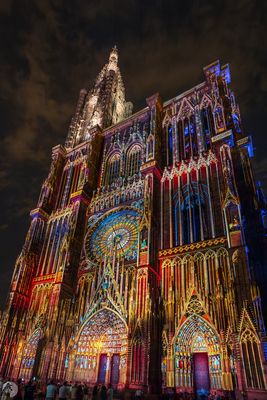
Festung Kufstein on a Fall night.

Festung Kufstein on a Fall night.

Kufstein_night.jpg