![]() |
![]() |
![]() |
![]() |
![]() |
![]() |
| Bill Taylor | profile | all galleries >> California Landscapes >> The Napa Valley | tree view | thumbnails | slideshow |
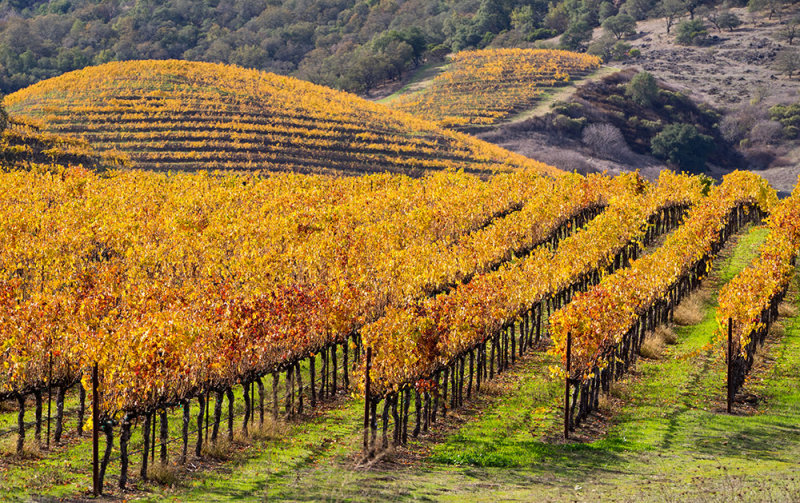
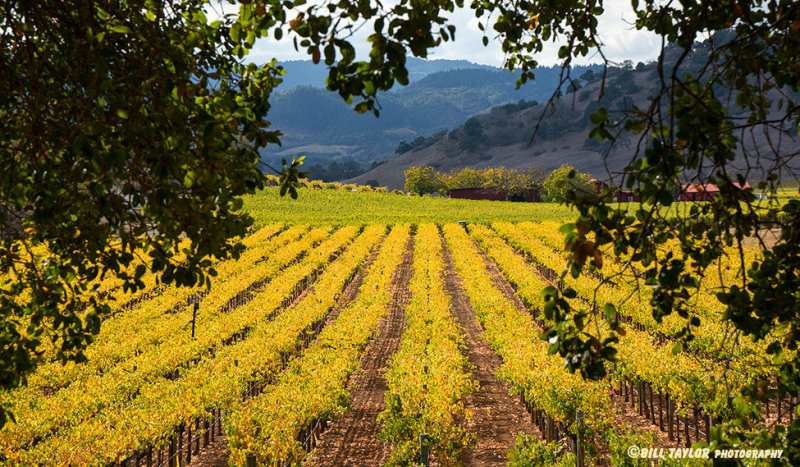
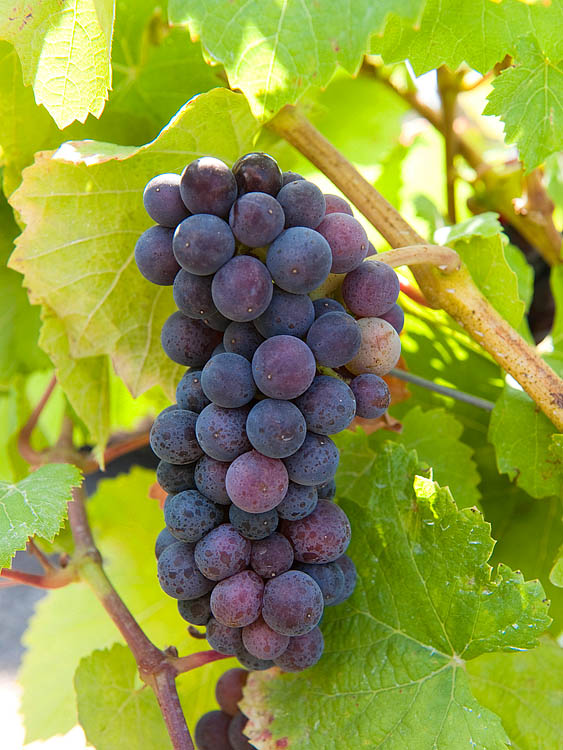
| The wealth of post-Gold Rush San Francisco created a huge demand for wine, and by 1891 there were 619 vineyards throughout the valley. The wineries survived economic depression and the disease of phylloxera but were no match for Prohibition, the United States' "Great Experiment" of declaring alcoholic beverages not just immoral but illegal. Prohibition closed almost every Napa Valley winery. The few that survived provided medicinal wine or sacramental wine for churches. Vineyards were ripped out, to be replaced by prune and walnut orchards.

Prohibition ended in 1933, but it was not until 1966 that a large new winery was finally built in the Napa Valley. (A small winery - Stony Hill - was built in the early 1950's.) It was Robert Mondavi Winery in Oakville. Since that time several hundred wineries have been built, as the Napa Valley was rediscovered as a premium wine region, recapturing its earlier pre-Prohibition fame. Today there are more than 200 wineries throughout the county. |
| comment | share |
| joseantonio | 13-Nov-2010 04:55 | |
| Susan Bowen | 04-Apr-2009 04:26 | |
| Randy Walton | 11-Feb-2008 15:07 | |
| Sandi Whitteker | 02-Nov-2007 12:54 | |
| Dave Berry | 26-Oct-2007 23:44 | |